
Written by our gear testing crew
We do the experimenting and the research so that ultimately, you don’t have to.
- 1. Know Your Support Level: Low, Medium, or High Impact
- 2. Compression vs. Encapsulation (or Both)
- 3. Strap Design: Stability, Comfort, and Movement Control
- 4. The Band: The Most Important Support Element
- 5. Cup Style and Padding: Removable, Molded, or None
- 6. Fit and Sizing: The Non-Negotiable Factors
- 7. Fabric and Breathability: Performance Materials Matter
- 8. Features Based on Training Style
- Final Takeaway
What to Look for in Women’s Sports Bras
A Complete Guide for Training, Support, and Comfort
A good sports bra isn’t just another piece of gym clothing. It directly affects comfort, performance, and confidence during training sessions. When a bra fits well, you don’t notice it. When it doesn’t, it becomes the only thing you can think about — straps digging in, bounce during running, constant adjusting, or irritation after long sessions.
A high-quality sports bra should support your training style, match your body shape, stay secure under movement, and keep you dry during high-intensity training. This guide breaks down every factor to help you choose the right sports bra based on impact level, construction, fit, fabric, and training demands.
Why Sports Bra Design Matters More Than People Think
Sports bras aren’t designed equally, and the wrong one can cause:
- Excessive breast movement during high-impact training
- Shoulder and upper-back fatigue from poor support
- Chafing and irritation
- Faster fabric breakdown from sweat saturation
- Reduced confidence during running, jumping, or dynamic workouts
The right bra reduces strain on Cooper’s ligaments (the supportive structures in the breast), protects long-term tissue health, and provides the locked-in feeling you need for serious training.
Think of the sports bra as equipment — just like knee sleeves, lifting shoes, or wrist wraps. It’s part of your performance gear.
1. Know Your Support Level: Low, Medium, or High Impact

Support level should always match your training style. Buying a high-impact bra for yoga or a low-impact bra for running leads to poor comfort and poor performance.
Low Impact Support
Best for:
- Yoga
- Pilates
- Stretching
- Strength training with minimal dynamic movement
- Walking or casual wear
Features:
- Light compression
- Softer fabrics
- Minimal structure or padding
Low-impact bras prioritize comfort and freedom of movement. They are not built for jumping, sprinting, or explosive movement.
Medium Impact Support
Best for:
- Strength training
- Stationary cycling
- Stair climber
- Hiking
- Cross-training sessions without heavy jumping
Features:
- More supportive band
- Moderate compression
- Wider straps
- More structured shape
This level is versatile and works for most gym sessions.
High Impact Support
Best for:
- Running
- HIIT
- Jump rope
- Wrestling practice
- Sprint conditioning
- Explosive change-of-direction training
Features:
- Maximum compression or encapsulation
- Reinforced straps
- High-stability band
- Molded or structured cups
- Stronger fabric that resists bounce
If your training includes sprinting, jumping, or grappling, high impact support is essential.
2. Compression vs. Encapsulation (or Both)
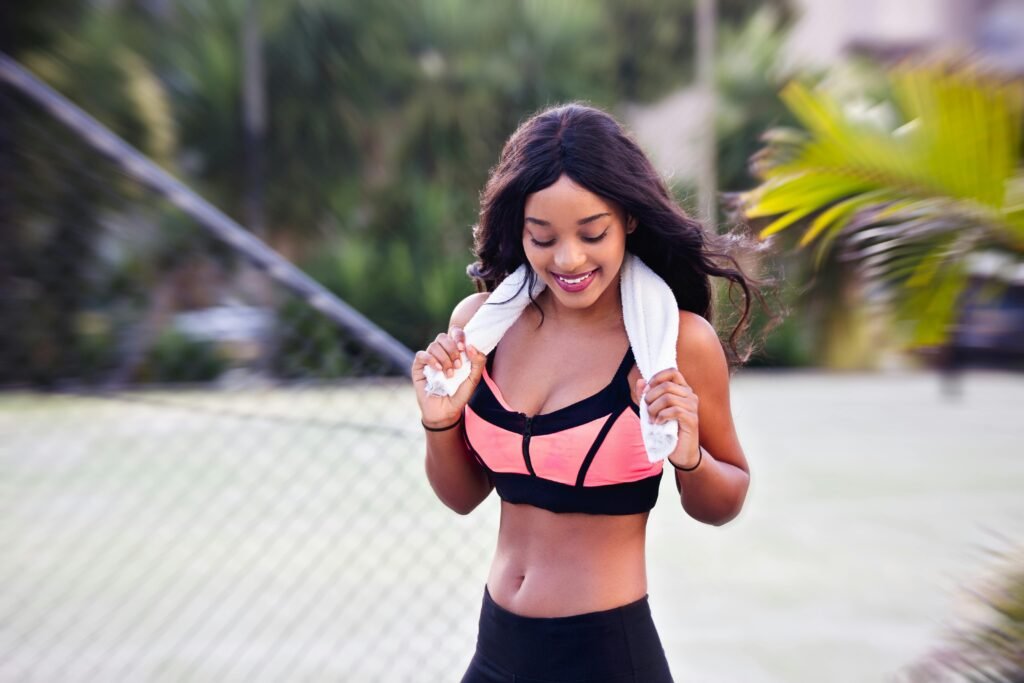
These are the two main sports bra constructions, and choosing the right one changes everything.
Compression Bras
These work by pressing the breasts against the chest wall, reducing motion.
Best for:
- Smaller and medium busts (A–C cup)
- Medium-intensity training
- Athletes who prefer a flexible, minimal feel
Benefits:
- Simple, lightweight
- Great freedom of movement
- Often easy to layer under shirts or singlets
Encapsulation Bras
Each breast is supported individually, similar to a regular bra but with performance materials.
Best for:
- Medium to large busts (C–DD+)
- High-impact training
- Long-duration sessions where friction matters
Benefits:
- Dramatically better support
- Less breast movement in all directions
- Better for reducing irritation or chafing
Hybrid Bras (Compression + Encapsulation)
The best choice for:
- Runners
- Wrestlers
- High-intensity athletes
- Anyone who needs maximum control
These deliver locked-in compression plus structured cups for stability.
3. Strap Design: Stability, Comfort, and Movement Control
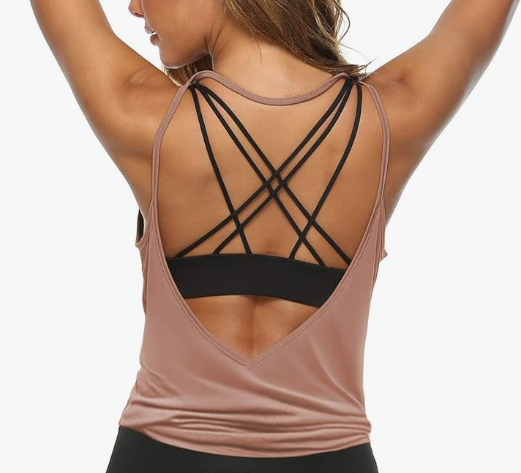
Straps do more than hold the bra up — they determine how the bra moves with your body.
Racerback Straps
- Best for strength training and running
- Prevent slipping
- Pull the chest upward and inward for added support
- Generally provide more compression
Great for athletes who want stability without bulk.
Wide Shoulder Straps
- Better weight distribution
- Reduce pressure on traps
- Ideal for large busts or longer sessions
Wide straps reduce digging and improve comfort during long steady-state workouts or multiple-hour wrestling practices.
Adjustable Straps
Adjustability is crucial for dialing in support.
Benefits:
- Fine-tune fit
- Compensate for fabric stretch over time
- Adapt bra tightness for different training days
If you fluctuate in size or train with varying intensity, adjustable straps are extremely helpful.
4. The Band: The Most Important Support Element

Most people think straps provide the support, but the band does the majority of the work.
Signs of a Proper Band Fit:
- Sits level around your body
- Does not ride up when you move or lift arms
- Feels snug but not restrictive
- Does not fold or roll under load
A loose band = poor support
A too-tight band = discomfort and breathing restriction
For adjustable band bras, a hook-and-eye closure lets you tighten the fit over time as fabric breaks in.
5. Cup Style and Padding: Removable, Molded, or None
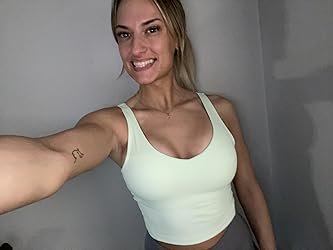
Cup construction influences both comfort and aesthetics.
Removable Pads
Pros:
- Flexible, lightweight
- Easy to wash
- Great for low-to-medium intensity
Cons:
- Can shift during high-intensity workouts
- Need occasional adjustment after washing
Molded Cups
Pros:
- Stay in place
- Provide structure and shape
- Better for running and jump-heavy workouts
Cons:
- Slightly more rigid
- Can feel warmer in hot gyms
No Padding
Best for:
- Athletes wanting maximum breathability
- Training sessions with minimal bounce (strength training)
However, no padding offers limited support for dynamic training.
6. Fit and Sizing: The Non-Negotiable Factors
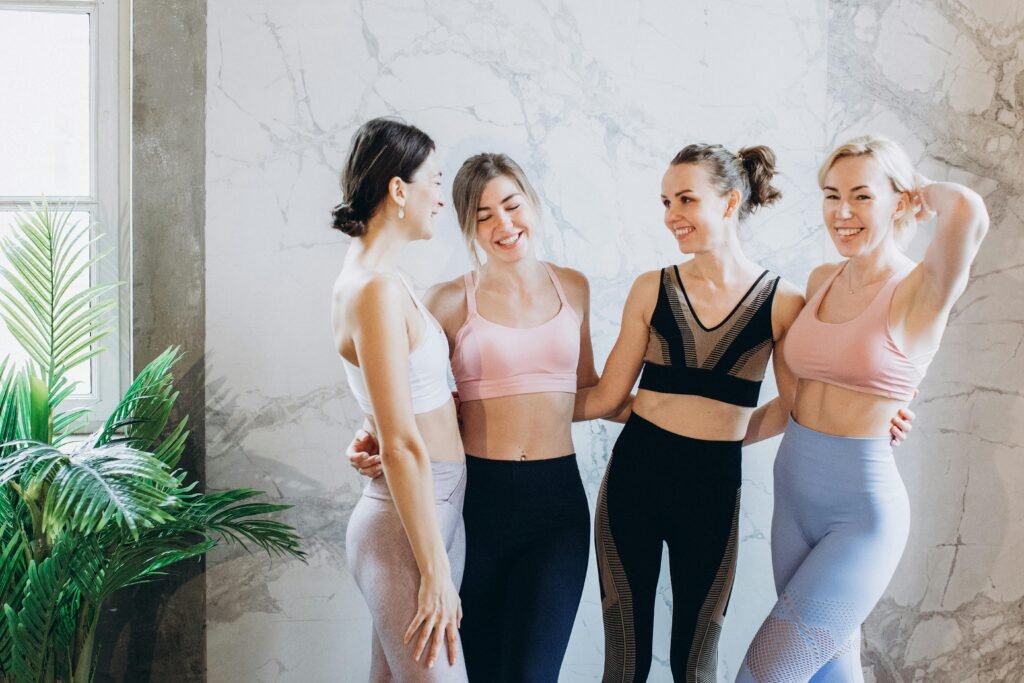
Most discomfort and movement issues come from improper sizing.
Signs Your Sports Bra Fits Correctly
- No spillage over the top or sides
- No gaping in the cups
- You can breathe fully without the band riding up
- You can jump without painful bounce
- Straps stay in place without digging
- The bra lies flat against the sternum
Signs It Does Not Fit
- The band creeps upward
- Straps constantly slip
- You adjust the cups repeatedly during training
- Pressure points develop on traps or upper back
A good fit should make the bra feel secure, balanced, and stable.
7. Fabric and Breathability: Performance Materials Matter

Sports bras must handle sweat, movement, and constant stretching. Look for:
- Moisture-wicking performance fabric
- Quick-dry materials
- Minimal interior seams
- Bonded edges that reduce friction
- Mesh zones for ventilation
- High elastane or spandex content for compression
Avoid high-cotton content — it absorbs sweat, gets heavy, and stretches out quickly.
8. Features Based on Training Style
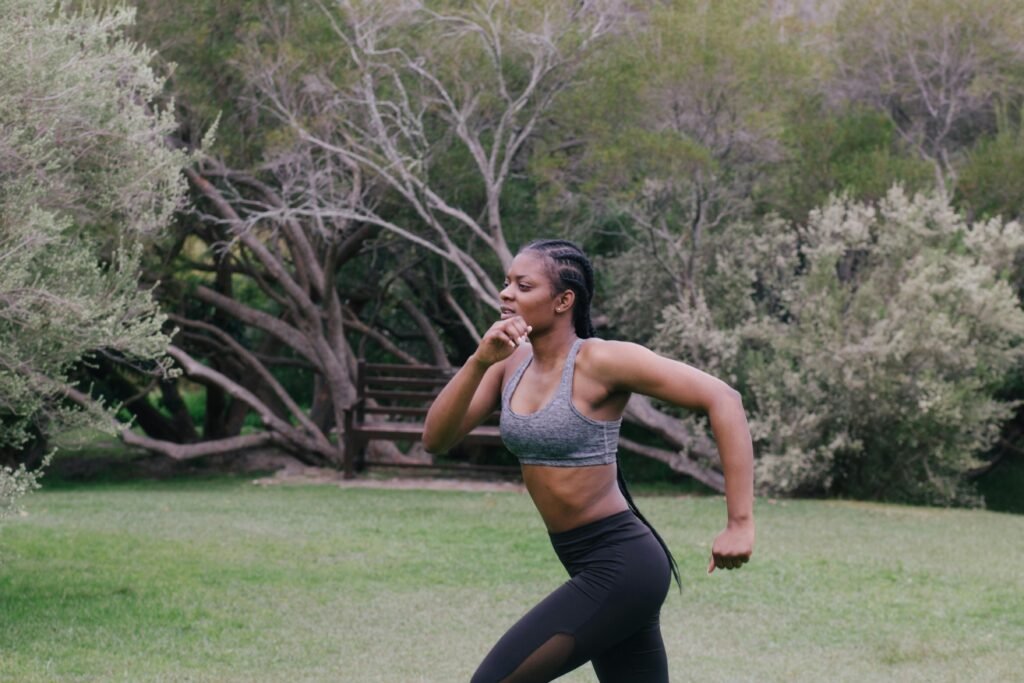
Your training determines your needs.
Strength Training
- Medium support
- Racerback or wide straps
- Breathable, flexible materials
Running
- High support
- Encapsulation or hybrid cups
- Adjustable straps
- Strong band
HIIT
- High support
- Strong compression
- Lightweight but structured materials
Wrestling / Grappling
- Secure straps that don’t shift
- Compression to prevent excess movement
- Smooth surface to prevent snagging
All-day Wear
- Low to medium support
- Soft fabrics
- Comfort-first design
Final Takeaway
Finding the right sports bra isn’t about guessing — it’s about matching support, construction, and fit to your training demands. The best bra should stay secure during movement, feel comfortable throughout long sessions, wick sweat effectively, and give you the confidence to focus completely on your workout instead of your gear.
If you would like to browse which sports bras we recommend to most of our customers, Check out these two linked posts below. We Hope that this helps.
If you found this post to be helpful, then you may be interested in the rest of our blog page here.
Discover more from GearAffiliate
Subscribe to get the latest posts sent to your email.