Written by
Our gear testing crew — We review training gear like coaches: what stays tight, what holds up, what feels stable under heavy bracing, and what’s most worth buying. We base this on product specs, real buyer feedback patterns, and practical training use-cases.
- Written by
- Gymreapers Quick Lock vs Element 26 vs Dark Iron vs RDX vs Ironbull
- 1) Gymreapers Quick Locking Belt (4-inch neoprene + metal buckle)
- 2) Element 26 Self-Locking Weight Lifting Belt
- 3) Dark Iron Fitness Leather Weight Lifting Belt
- 4) RDX Cowhide Leather Belt (4-inch or 6-inch, padded lumbar, 10 holes)
- 5) Ironbull 6-Inch Auto-Lock Belt
- Best for powerlifters (heavy squats + deadlifts, low reps)
- Best for CrossFit / functional fitness
- Best for Olympic lifting athletes
- Best for beginners buying their first belt
- Best for lifters who want comfort during higher volume sessions
- Best “value buy” if you want leather durability without overthinking it
The Best Weightlifting Belts for Squats and Deadlifts
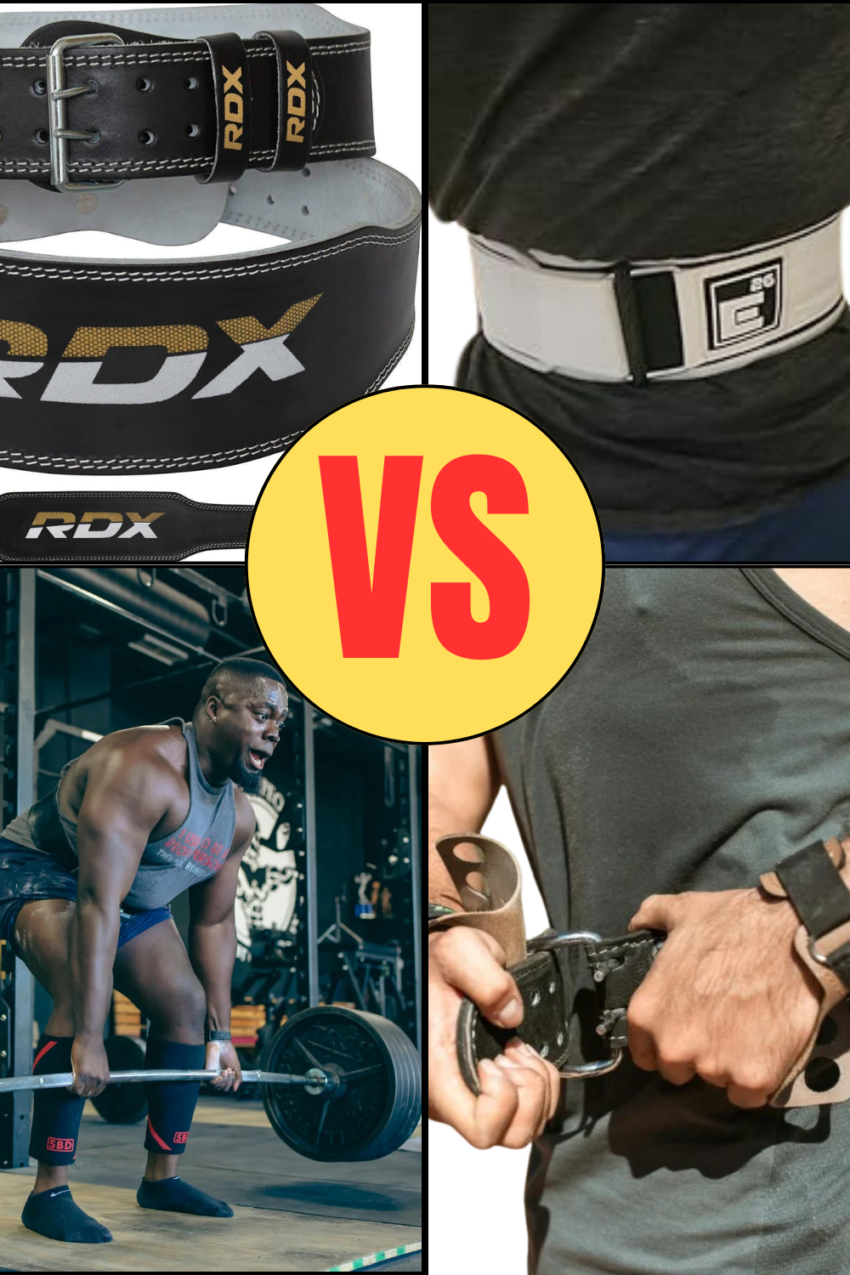
Gymreapers Quick Lock vs Element 26 vs Dark Iron vs RDX vs Ironbull
If your training has real weight on the bar, a belt isn’t a fashion piece. It’s a bracing tool. The right belt helps you create more intra-abdominal pressure, stay stacked under load, and keep your torso from leaking power when reps get heavy.
But here’s what most lifters learn the hard way: not every belt is built for the same job.
A belt that’s perfect for powerlifting singles can feel awful during Olympic lifts. A belt that’s amazing for fast-paced functional training might not feel rigid enough for maximal pulls.
So this post compares five popular belts and makes the call on who should buy what:
- Gymreapers Quick Locking Weight Lifting Belt (4-inch neoprene + metal buckle)
- Element 26 Self-Locking Weight Lifting Belt (functional fitness + Olympic lifting focus)
- Dark Iron Fitness Leather Weight Lifting Belt (premium leather core support)
- RDX Cowhide Leather Belt (4-inch or 6-inch with padded lumbar support, 10 holes)
- Ironbull 6-Inch Auto-Lock Weight Lifting Belt (wide support, quick adjustment)
Quick Picks
If you just want the answers:
Best for functional fitness + fast transitions: Element 26 Self-Locking
Best for serious strength training on a budget (leather feel): RDX Cowhide (pick width wisely)
Best for heavy bracing and traditional powerlifting vibe: Dark Iron Leather
Best for comfort + quick tightening without Velcro slip: Gymreapers Quick Lock
Best for lifters who want a wide “back support” feel: Ironbull 6-Inch Auto-Lock
Now let’s break down why.
What Actually Matters When Buying a Lifting Belt
1) Rigidity vs mobility
- More rigid = better for heavy squats/deadlifts, but can feel restrictive.
- More mobile = better for Olympic lifts and mixed workouts, but may feel “less locked in” at max effort.
2) Closure system
- Prong (holes): simple, durable, slower to adjust, very “classic.”
- Self-lock/auto-lock: faster micro-adjustments, great for mixed workouts.
- Quick-lock metal buckle: faster than prong, more secure than basic Velcro.
3) Width (4-inch vs 6-inch)
- 4-inch: the sweet spot for most lifters—supportive but not overly restrictive.
- 6-inch: can feel very supportive, but may dig or limit movement depending on torso length and lift style.
4) Comfort under real bracing
A belt can feel fine standing up and terrible at the bottom of a squat. Padding, edge shape, and stiffness all matter.
5) Stability (does it roll, slip, or shift?)
If it shifts mid-set, it’s not helping you brace—it’s distracting you.
Comparison Table
| Belt | Type | Best For | Strengths | Trade-Offs |
|---|---|---|---|---|
| Gymreapers Quick Lock (4″) | Neoprene + metal quick-lock | Lifters who want comfort + secure lock | Comfortable, quick adjustments, stays put well | Less rigid than thick leather |
| Element 26 Self-Locking | Structured belt + self-lock | Functional fitness + Olympic lifting | Fast on/off, consistent tightness, stable in dynamic work | Not the “stiffest” powerlifting feel |
| Dark Iron Leather | Premium leather + prong | Heavy squats/deadlifts, traditional strength | Strong bracing support, rigid feel, durable | Break-in period, slower adjustments |
| RDX Cowhide (4″ or 6″) | Leather + padding + prong | Strength + comfort, lots of adjustability | Leather stability + padded lumbar comfort, width options | Padding changes “feel,” still needs break-in |
| Ironbull 6″ Auto-Lock | Wide belt + auto-lock | Lifters wanting max coverage | Wide support feel, quick adjustment | 6″ can feel bulky/restrictive for some |
Head-to-Head Breakdown
1) Gymreapers Quick Locking Belt (4-inch neoprene + metal buckle)
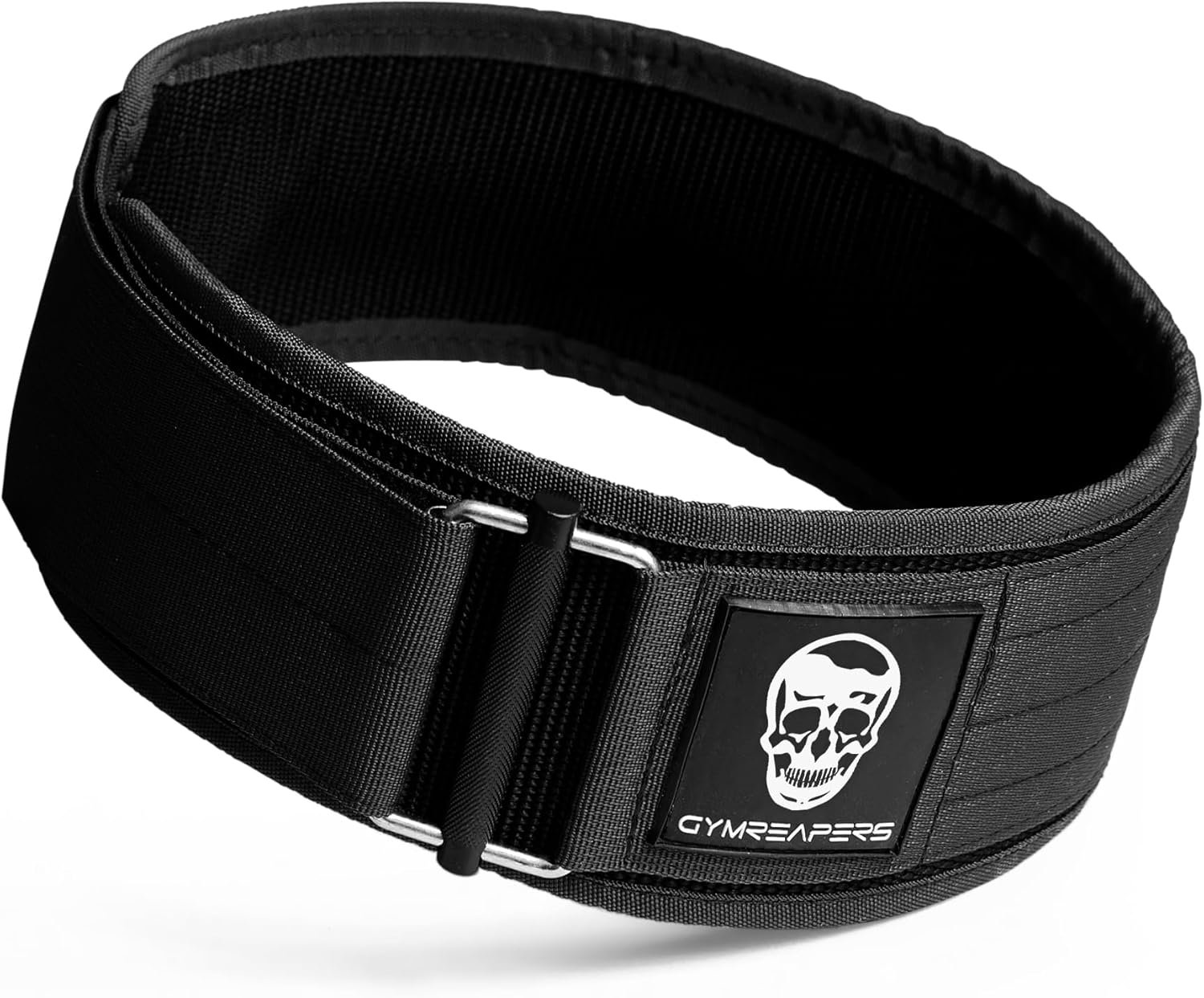
- Very comfortable for a belt
- Sleek, cool style
- Effective and easy/quick to set up
- Not the most rigid (Important for super heavy loads)
- Not a "classic feel" (Self locking belt)
Gymreapers Quick Locking Weight Lifting Belt for Powerlifting - Deadlift Belt with 4 Inch Neoprene Metal Buckle Back Support Weightlifting Belt
Who it’s for: lifters who want support without feeling like they’re wearing a plank.
This belt is a strong pick if you train hard but don’t want the stiffness or break-in of leather. The neoprene contact area is more forgiving on the torso, and the metal buckle system is the real advantage: it’s faster than a prong belt and typically more secure than basic Velcro.
Best training uses
- General strength training (squats, deadlifts, presses)
- Lifters who do supersets and want faster tightening
- People who hate stiff belts digging into ribs or hips
Where it’s not #1
If your whole identity is max-effort powerlifting singles, thick leather still “locks” differently. This belt can be plenty supportive, but it won’t feel like a competition-stiff leather belt.
Purchase trigger
If you want comfort + fast tightening + stability and don’t want to deal with leather break-in, this is a very safe buy.
2) Element 26 Self-Locking Weight Lifting Belt
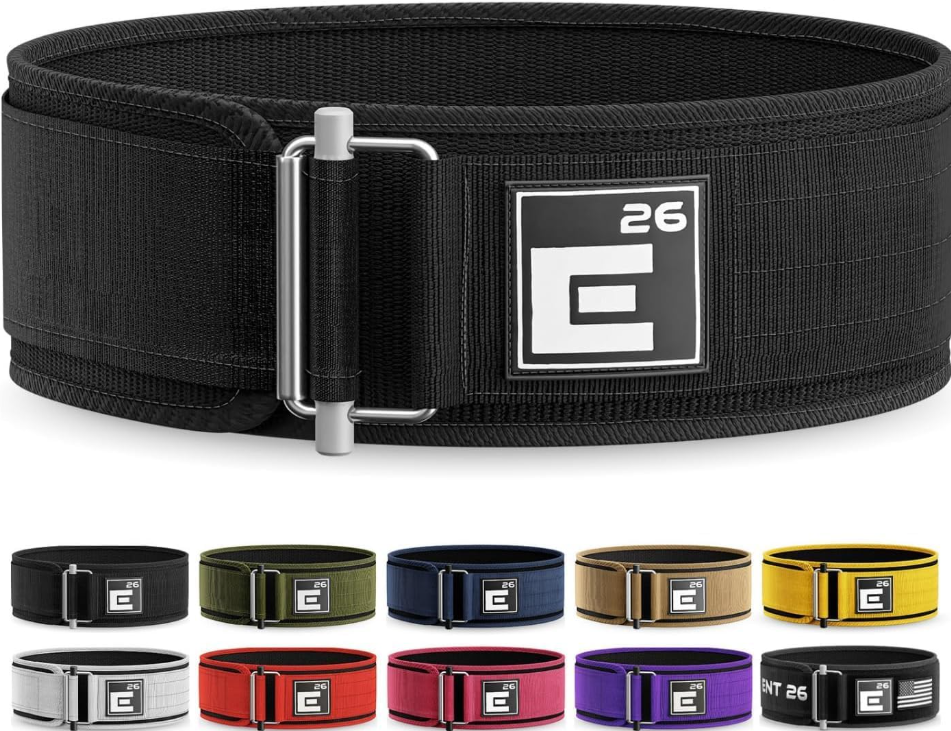
- Self-Locking Closure System
- Durable, Performance-Focused Construction
- Ergonomic Fit for Real Bracing
- Self-Locking Mechanism Takes a Little Getting Used To
- Not as Rigid as Traditional Leather Prong Belts
Who it’s for: functional fitness athletes and Olympic lifting-focused lifters who still want real support.
Element 26 is popular for a reason: the self-locking system is built for people who train in waves—tighten for lifts, loosen quickly, move on. It shines when workouts include multiple movements, transitions, and speed.
Best training uses
- Olympic lifts (where you need support but also mobility)
- Functional fitness workouts (strength + conditioning in one session)
- Lifters who want consistent tension without fiddling each set
Where it’s not #1
If you want the stiffest possible bracing for heavy grinding reps, leather can feel more “solid.” Element 26 still supports well, but it’s optimized for versatility.
Purchase trigger
If your training includes cleans/snatches, mixed sessions, or timed work, this is one of the easiest belts to live with—and that usually means you wear it more, which means better training consistency.
3) Dark Iron Fitness Leather Weight Lifting Belt
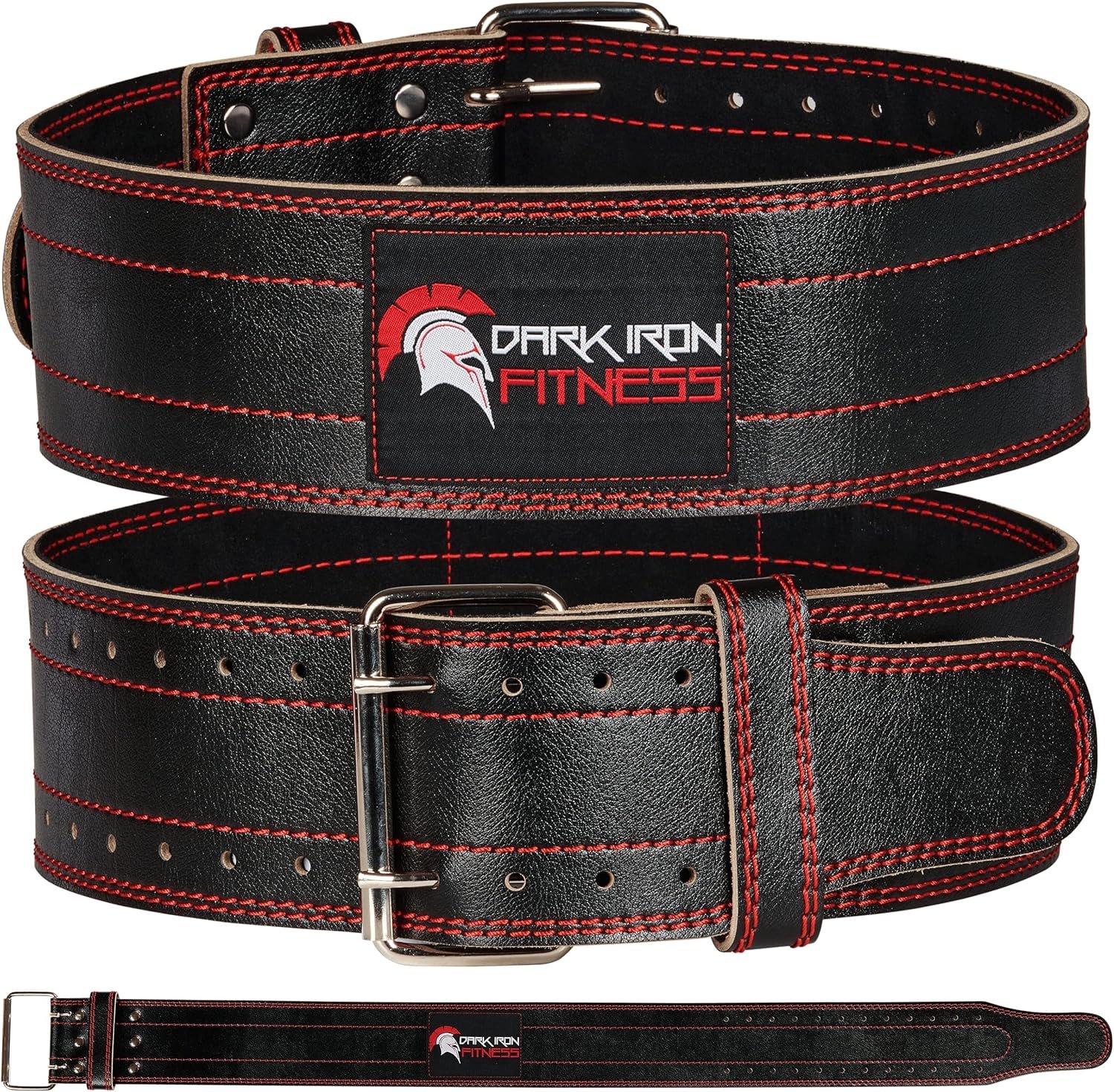
- Premium leather construction — built to last
- Double prong buckle stays secure under load
- Thick core for heavy bracing
- Requires a break-in period (initial stiffness)
- Slightly heavier and bulkier than nylon or Velcro belts
Dark Iron Fitness Weight Lifting Belt for Powerlifting Deadlift Training, Premium Leather for Core Support Gym Strength Workout
Who it’s for: lifters who want traditional leather rigidity and strong bracing feedback.
This belt is the old-school approach: thick leather, prong closure, and a rigid feel that encourages strong bracing. When you push heavy squats and deadlifts, leather belts give you a “hard wall” to brace into. That’s why serious strength athletes keep coming back to them.
Best training uses
- Heavy squats and deadlifts (especially lower reps)
- Strength phases where bracing is a top priority
- Lifters who want a belt that holds shape long-term
Trade-offs
- Break-in is real. The first few sessions can feel stiff.
- Slower adjustments. You’re using holes—no quick micro-changes.
Purchase trigger
If you want a belt that feels serious, rigid, and built for long-term heavy lifting, Dark Iron is the buy.
4) RDX Cowhide Leather Belt (4-inch or 6-inch, padded lumbar, 10 holes)
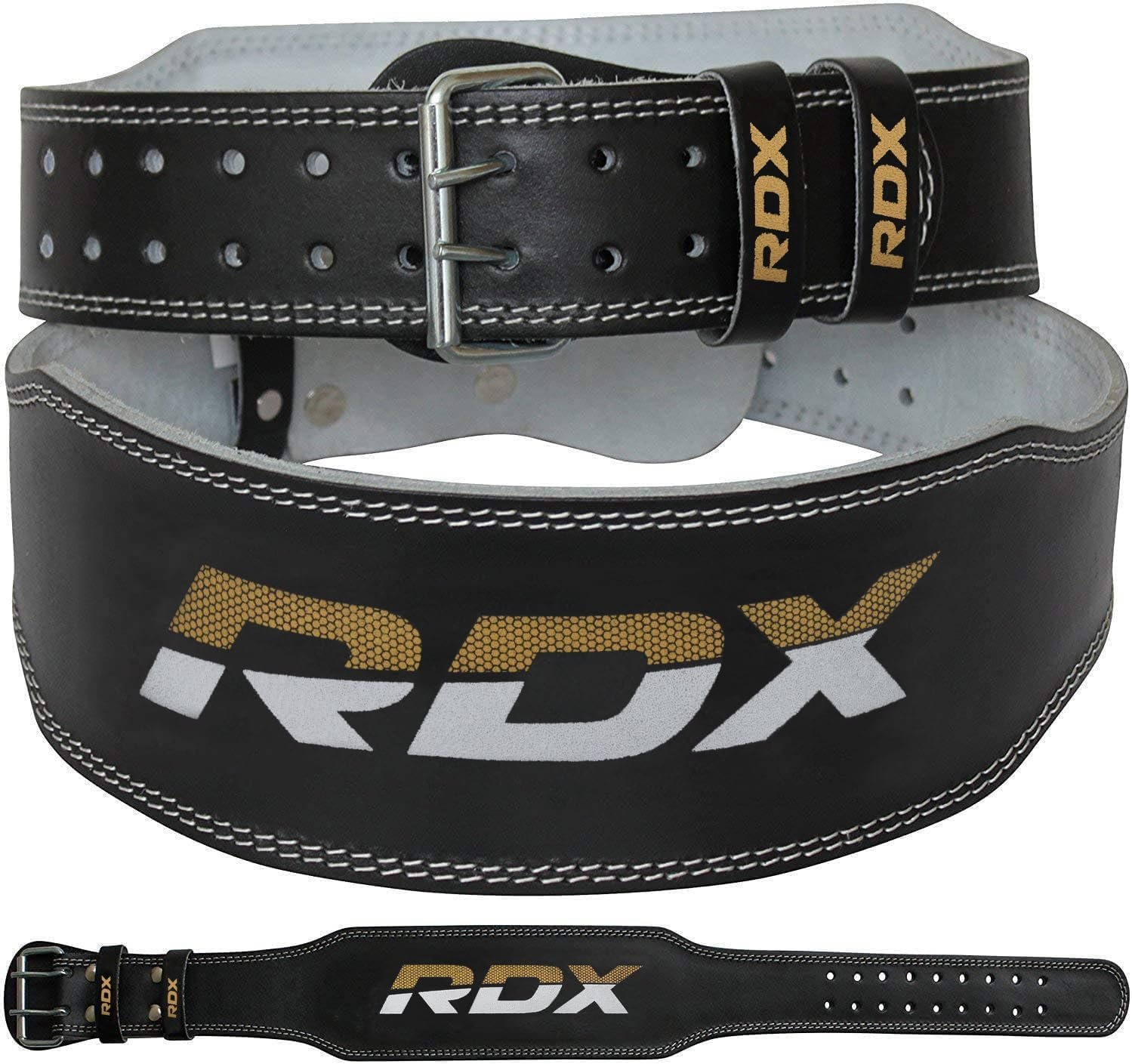
- Dual Option (6 vs 4 inch)
- Dual Prongs
- Stiff for heavier lifts
- Takes longer to set up
- May be too stiff for some beginners
RDX Weight Lifting Belt Gym Fitness, Cowhide Leather, 4” 6” Padded Lumbar Back Support, 10 Adjustable Holes, Weightlifting Powerlifting Bodybuilding Deadlift Squat Workout Strength Training, Men Women
Who it’s for: lifters who want leather support but appreciate more comfort and adjustability.
RDX’s big advantage is choice. You can pick a width that matches your body and lifting style, and the padded lumbar support makes longer sessions more tolerable—especially for lifters who don’t love ultra-rigid, zero-padding belts.
How to choose width
- 4-inch: better for most lifters; good balance of support and mobility
- 6-inch: feels very supportive; best for people who like wide coverage and primarily squat/deadlift
Best training uses
- Strength + bodybuilding blocks (volume + heavy sets)
- Lifters who want leather feel but less harsh edges
- People who need finer adjustment steps (10 holes helps)
Trade-offs
Padding can slightly change the “feedback” you feel when bracing compared to a fully rigid competition-style belt. Some lifters love that comfort; some prefer pure rigidity.
Purchase trigger
If you want leather durability + comfort + sizing flexibility, RDX is a strong “best value” contender.
5) Ironbull 6-Inch Auto-Lock Belt
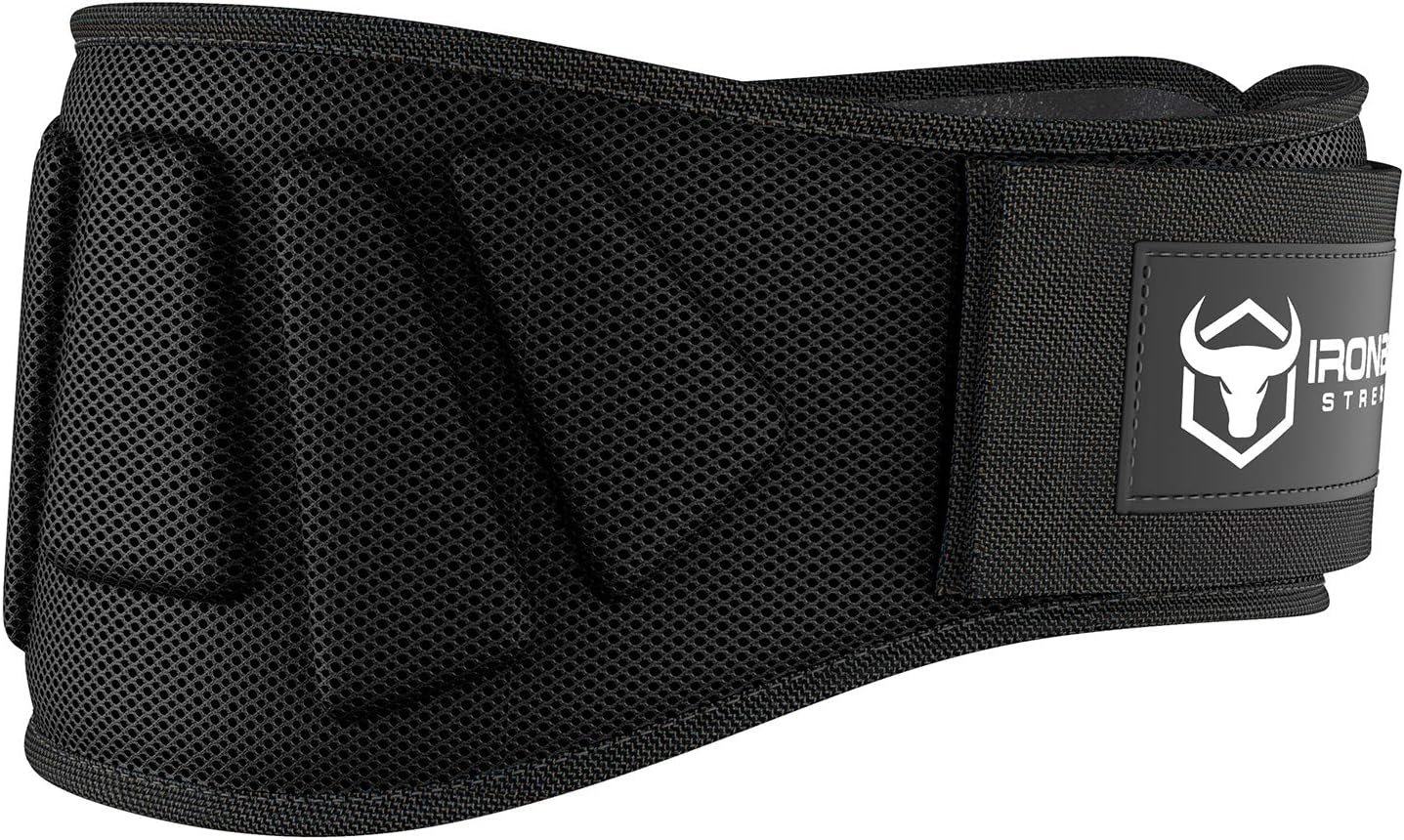
- Broad, firm support: Excellent for core stabilization on heavy lifts
- Durable construction: Reinforced stitching and strong materials
- Good value for a premium feel
- Initially stiff: The structured feel can take some getting used to
- Auto-lock feel varies: Some lifters prefer traditional prong or lever systems
Who it’s for: lifters who want a wide, supportive feel and fast tightening.
The Ironbull stands out mainly because of the 6-inch width and the auto-lock system. It’s built for people who want that big “back support” coverage and prefer quick adjustments rather than hole-by-hole tightening.
Best training uses
- Squats and deadlifts when you want full coverage support
- Lifters who like a wide belt feel
- People who want quick tightening and a stable fit
Trade-offs
6-inch belts can feel bulky if you have a shorter torso or if you do movements requiring more hinge and compression. This belt can be excellent—but it’s more body-type dependent than 4-inch options.
Purchase trigger
If you already know you like wide belts, Ironbull is a strong choice. If you’re unsure, a 4-inch belt is usually the safer “first buy.”
Best Belt by Athlete Type
Best for powerlifters (heavy squats + deadlifts, low reps)
Winner: Dark Iron Leather
Runner-up: RDX Cowhide (4-inch or 6-inch depending on your torso)
Why: leather tends to give the most rigid bracing feedback under maximal strain.
Best for CrossFit / functional fitness
Winner: Element 26 Self-Locking
Runner-up: Gymreapers Quick Lock
Why: fast adjustments and consistent tightness matter when workouts move quickly.
Best for Olympic lifting athletes
Winner: Element 26 Self-Locking
Runner-up: Gymreapers Quick Lock
Why: you need support without feeling restricted in catch positions.
Best for beginners buying their first belt
Winner: Gymreapers Quick Lock
Runner-up: Element 26
Why: easier comfort and adjustment means you’ll actually use it correctly.
Best for lifters who want comfort during higher volume sessions
Winner: Gymreapers Quick Lock
Runner-up: RDX (padded lumbar)
Why: padding and softer contact points reduce distraction during long sessions.
Best “value buy” if you want leather durability without overthinking it
Winner: RDX Cowhide
Why: width choice + adjustability + comfort features make it versatile.
How to Pick Fast (Simple Decision Tree)
Choose Dark Iron if:
- You want traditional leather rigidity
- Your focus is heavy squat/deadlift strength
- You don’t mind break-in or slower adjustments
Choose RDX if:
- You want leather, but comfort matters more
- You want 4-inch vs 6-inch options
- You like more adjustment holes for a dialed fit
Choose Element 26 if:
- You do functional fitness or Olympic lifting
- You want quick tightening and consistent lock-in
- You don’t want to fight with holes and buckles between sets
Choose Gymreapers Quick Lock if:
- You want comfort + fast locking
- You train strength but also do mixed sessions
- You want a belt that’s easy to live with daily
Choose Ironbull 6-inch Auto-Lock if:
- You specifically want wide coverage
- You mostly squat/deadlift and like that “big support” feel
- You don’t have issues with belts feeling bulky
Final Rankings
There isn’t one belt that’s best for everyone, but here’s the clean ranking by use-case:
Best overall for mixed training: Element 26 Self-Locking
Best for pure heavy bracing: Dark Iron Leather
Best value leather pick: RDX Cowhide
Best comfort + quick-lock: Gymreapers Quick Lock
Best wide-belt preference: Ironbull 6-Inch Auto-Lock
Discover more from GearAffiliate
Subscribe to get the latest posts sent to your email.