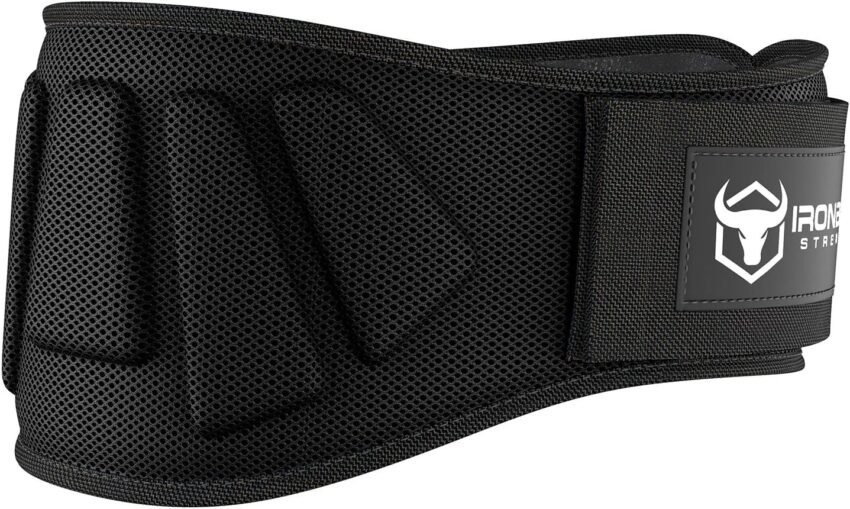
Iron Bull Weightlifting Belt Review
6-Inch Auto-Lock Weight Lifting Back Support for Men and Women — Strong Support for Lifting, Fitness, Cross-Training & Powerlifting
If you’re serious about strength training — from heavy squats to deadlifts, powerlifting meets, or mixed functional workouts — the right belt can make a noticeable difference in performance and safety. The Iron Bull Weightlifting Belt aims to deliver structured support, a secure fit, and user-friendly adjustability for athletes of all levels. In this review, we break down how it performs where it matters most: fit, support, comfort, construction, and real gym use.
What This Belt Is Built For
- Broad, firm support: Excellent for core stabilization on heavy lifts
- Durable construction: Reinforced stitching and strong materials
- Good value for a premium feel
- Initially stiff: The structured feel can take some getting used to
- Auto-lock feel varies: Some lifters prefer traditional prong or lever systems
The Iron Bull Weightlifting Belt is designed to help lifters:
- Increase stability during heavy lifts
- Maintain core bracing through strength movements
- Support training in deadlifts, squats, and powerlifting
- Enhance performance in cross-training and functional workouts
- Provide a versatile option for both men and women
Its key selling point is the auto-lock adjustment system, aiming to keep tension consistent once set, with minimal need to readjust mid-session.
Build Quality & Materials
Right out of the box, this belt gives off the impression of intentional construction. It doesn’t feel flimsy, overly soft, or cheaply assembled. Instead, it has the kind of firmness you expect from a belt designed to handle repeated heavy sessions rather than occasional gym use.
Structure and Support
The belt features a 6-inch-wide support surface, which provides broad coverage across the lower back and abdominal region. This wider profile helps distribute pressure more evenly when bracing, reducing localized stress and encouraging a more stable torso during heavy lifts.
The material itself is firm and structured, acting more like a supportive frame than a flexible strap. This firmness is key for maintaining intra-abdominal pressure under load, especially during squats and deadlifts where spinal stability is critical. It offers enough rigidity to support bracing without feeling overly restrictive or awkward during setup.
Reinforced stitching is used throughout high-stress areas, which helps prevent early fraying or seam separation. This is especially important for belts that are tightened repeatedly and exposed to high tension over long training cycles.
Auto-Lock Adjustment System
The auto-lock buckle is designed to hold tension once set, eliminating the need for constant readjustment between sets. Once tightened, the belt stays in place—even during longer sessions or movements where traditional belts can slowly loosen.
This system strikes a strong balance between convenience and security. It’s faster and more adjustable than a traditional prong belt, while still feeling significantly more stable than basic Velcro closures.
Overall Build Impression
Overall, this is a well-constructed lifting belt built for consistent, real-world training use. The materials, stitching, and locking system all point toward durability and reliability, making it a solid option for lifters who train frequently and expect their gear to hold up under pressure rather than wear out after a few months.
Fit, Comfort & Support
This belt is wide, firm, and purpose-built for bracing under heavy load. It’s not designed to feel soft or cushiony—instead, it provides the kind of structured support that helps lifters stay tight and controlled when the weight gets serious.
What It Does Well
Even, full-coverage support
The wide profile covers both the lumbar region and the abdominal wall, allowing pressure to be distributed evenly when bracing. This encourages stronger intra-abdominal pressure and helps maintain a stable, neutral torso throughout the lift.
Secure, no-shift fit
Once tightened, the belt stays where it’s supposed to. There’s minimal rolling, sliding, or twisting—even during heavier squats or deadlifts where cheaper belts tend to move. That stability lets you focus on execution rather than readjusting mid-set.
Reliable adjustability
The auto-lock buckle makes it easy to dial in the right level of tightness and trust that it will hold. You can set tension once and lift without worrying about the belt loosening as the session goes on.
Gender-neutral, versatile design
The adjustment range works well for both men and women, accommodating different torso shapes without sacrificing support. It’s firm without being awkward, and secure without feeling overly restrictive.
What to Expect
A firm feel at first
If you’re transitioning from a softer nylon or Velcro belt, this will feel noticeably more rigid out of the gate. That’s intentional—structured support is what allows effective bracing under load.
A short break-in period
Over the first few sessions, the belt begins to mold slightly to your body. It won’t lose its firmness, but it does become more comfortable as it adapts to your bracing pattern and torso shape.
Support over softness
This isn’t a belt designed for comfort-first conditioning circuits. It prioritizes stability and control, so while it may not feel plush during long, high-rep workouts, it remains consistently supportive where it matters most—heavy lifts.
Performance in the Gym
Deadlifts
Weightlifting belts matter most when core stability and intra-abdominal pressure are the limiting factors—and that’s exactly where the Iron Bull belt performs best. During deadlifts, the belt provides a firm surface to brace against, which helps lifters stay tight from the floor through lockout.
In practice, this shows up as:
- A noticeable increase in bracing strength, especially on heavier working sets
- More confidence at higher loads, where core fatigue usually shows first
- Improved ability to maintain tension throughout the pull, reducing form breakdown late in the lift
The wide support helps keep the torso stable, making it easier to resist rounding or losing position as the bar breaks off the floor.
Squats
During both back and front squats, the Iron Bull belt’s wide support area reinforces a strong, upright torso. When bracing into the belt properly, lifters often feel more “locked in” at the bottom of the squat, where posture tends to collapse under load.
Key benefits include:
- A more stable torso under load, especially near depth
- Better upright positioning, particularly useful for front squats
- A solid, secure feel through deeper reps, even as fatigue sets in
This added stability can help lifters stay consistent rep to rep, which matters when training heavy or accumulating volume.
Functional & Cross-Training
For athletes who mix heavy lifts with dynamic movements, the auto-lock adjustment system becomes a real advantage. Once tension is set, the belt stays secure, allowing you to move efficiently between exercises without stopping to re-tighten.
This makes the belt especially useful for:
- Strength-focused circuits
- Mixed training sessions
- Workouts with frequent transitions
Instead of breaking focus to adjust your belt, you can stay locked in and keep the session moving—without sacrificing support when the weights get heavy.
Pros & Cons
Pros
- Auto-lock adjustment: Keeps tension consistent without re-tightening
- Broad, firm support: Excellent for core stabilization on heavy lifts
- Durable construction: Reinforced stitching and strong materials
- Versatile for different training styles: From powerlifting to cross-training
- Good value for a premium feel
Cons
- Initially stiff: The structured feel can take some getting used to
- Not as comfortable for high-rep conditioning: More rigid than soft belts
- Auto-lock feel varies: Some lifters prefer traditional prong or lever systems
How It Compares
vs Traditional Leather Belts
Leather belts tend to be ultra-rigid and excellent for maximum bracing in powerlifting. The Iron Bull belt isn’t as stiff as a heavyweight leather prong belt, but it makes up for that with easier adjustments and better comfort for mixed training.
vs Velcro/Nylon Belts
Velcro belts are easy to put on but can loosen or stretch under load. The Iron Bull’s auto-lock system holds tension with much less stretch and rescues you from mid-session readjustments.
vs Lever Belts
Lever belts offer extremely quick tightening and release. The auto-lock Iron Bull belt isn’t quite as fast as a lever toggle, but it’s easier to adjust on the fly than a traditional prong belt and tends to hold tension more consistently than some lever models.
Who This Belt Is Best For
- Broad, firm support: Excellent for core stabilization on heavy lifts
- Durable construction: Reinforced stitching and strong materials
- Good value for a premium feel
- Initially stiff: The structured feel can take some getting used to
- Auto-lock feel varies: Some lifters prefer traditional prong or lever systems
Best choice for:
- Strength athletes who combine heavy lifts with functional workouts
- Lifters who want stable support with minimal mid-session adjustments
- Men and women working into heavier loads
- Training environments that mix strength and dynamic movement
Less ideal for:
- Lifters who want ultra-rigid, leather-only powerlifting feel
- High-rep conditioning workouts where belt comfort is the top priority
Final Verdict
The Iron Bull Weightlifting Belt is a well-rounded, supportive lifting belt that blends core stability with user convenience. Its 6-inch-wide support surface and auto-lock adjustment system make it a practical choice for anyone who trains heavy lifts alongside dynamic movements — whether you’re powerlifting, CrossTraining, or working through varied strength sessions.
Bottom line:
If you’re looking for a versatile, solidly built belt that delivers dependable support without constant readjustment, the Iron Bull belt deserves serious consideration. It’s strong where it needs to be, adjustable where it matters, and stable when your performance depends on it.
If you found this post to be helpful, then you may be interested in the rest of our blog page here.
Discover more from GearAffiliate
Subscribe to get the latest posts sent to your email.