Written by our gear testing crew
We do the experimenting and the research so that ultimately, you don’t have to
- How to Stop Knee Sleeves From Sliding During Lifts
- 1. Get the Correct Size (This Matters More Than Anything Else)
- 2. Put Sleeves On Using the “Inside-Out Roll” Method
- 3. Keep Skin Dry Before Putting Them On
- 4. Wash Sleeves Regularly to Restore Grip and Tightness
- 5. Position Sleeves High Enough on the Thigh
- 6. Choose the Right Thickness for Your Training
- 7. Upgrade to a Higher-Grip Sleeve Design
- 8. Avoid Pulling Sleeves Over Leggings When Possible
- 9. Replace Sleeves When Elastic or Shape Wears Out
How to Stop Knee Sleeves From Sliding During Lifts
A Complete Guide for Lifters
Knee sleeves are one of the most reliable pieces of training gear for lifters. Whether you’re squatting, lunging, pulling, or moving through accessory work, the right sleeves provide warmth, joint stability, and confidence under load. But even high-quality sleeves can slide down if they’re not sized correctly, not cared for properly, or used in ways that cause excess friction.
Sliding sleeves disrupt your setup, break your focus, and make heavy sessions more frustrating than they need to be. This guide breaks down why knee sleeves slide during lifting and exactly how to fix it so they stay locked in place from warm-ups to your final working set.
Why Knee Sleeves Slide in the First Place
Sleeves don’t slide for one single reason — it’s usually a combination of factors. Understanding the cause makes the solution simple.
1. Incorrect Sizing
This is the most common reason sleeves slide. If the sleeve is too large, too long, or has too much stretch, it will eventually roll or slip during squats or hinging patterns.
2. Sweat and Skin Moisture
Moisture reduces grip between the sleeve and your skin. As you start sweating, the inside of the sleeve glides instead of holding firm.
3. Worn-Out Elastic
Knee sleeves lose tightness over time. If the elastic stretches out, the sleeve won’t anchor to the thigh or calf.
4. Poor Fabric Grip
Some materials grip better than others. Smoother neoprene or cheaper blends tend to slide more.
5. Incorrect Positioning
If sleeves are placed too low or pulled unevenly, they shift during bending, standing, or driving out of the hole.
6. Body Type and Leg Shape
People with tapered thighs, strong quads, or lower-sitting calves sometimes experience more sliding because there’s less surface area for the sleeve to grab.
How to Stop Knee Sleeves From Sliding During Squats and Lower Body Lifts
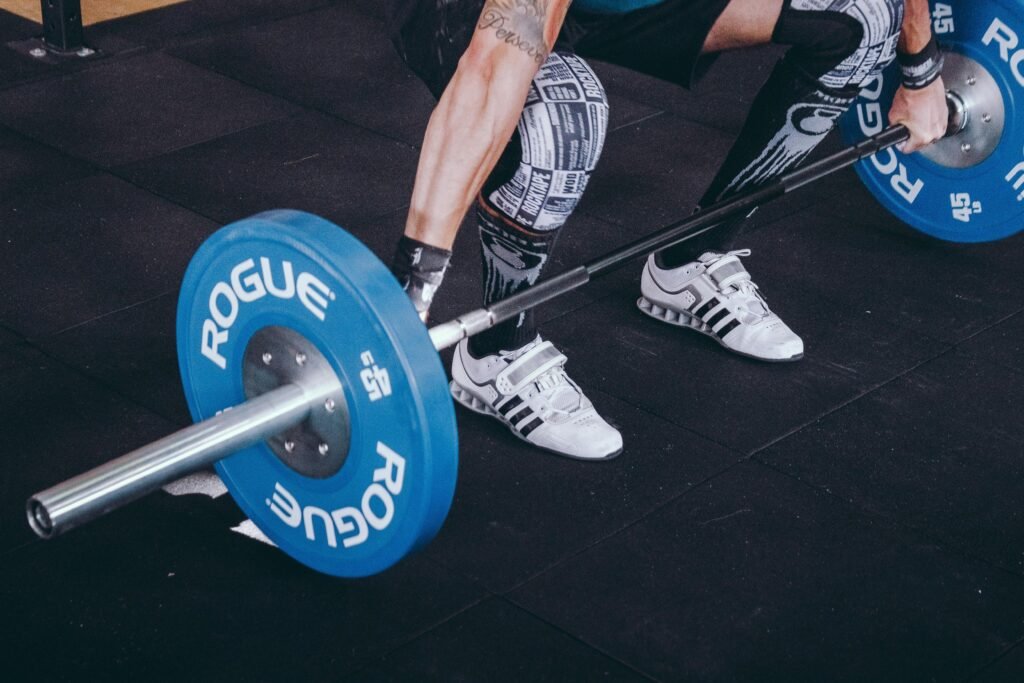
Below are the most reliable fixes lifters use to keep sleeves in place, especially during high-volume leg days or heavy squat sessions.
1. Get the Correct Size (This Matters More Than Anything Else)
The sleeve should feel tight — almost difficult to pull on. If it slides easily, it’s too big.
Ideal fit for lifting:
- Compression that’s firm but breathable
- No gap between the sleeve and the top of your calf
- No folding or bunching when you hit depth
- Slight struggle to pull on, but not cutting off circulation
If you’re between sizes, most lifters benefit from sizing down for squats and heavy barbell work.
2. Put Sleeves On Using the “Inside-Out Roll” Method
This method creates an even, locked-in seal.
How to do it:
- Flip the sleeve inside out halfway.
- Slide the bottom portion over your calf.
- Unroll the sleeve upward until it sits above the knee.
- Adjust so the knee cap stays centered.
This technique prevents uneven tension that causes sliding mid-set.
3. Keep Skin Dry Before Putting Them On
Moisture is one of the biggest causes of slipping.
What works:
- Pat dry with a towel
- Use a small amount of baby powder
- Don’t apply lotion before training
- Put sleeves on early in your warm-up to reduce sweat buildup
Dry skin = better grip.
4. Wash Sleeves Regularly to Restore Grip and Tightness
Sweat, skin oils, chalk, and bacteria build up inside the fabric. This reduces friction and stretches the neoprene.
For best results:
- Hand wash in cold water
- Avoid fabric softener (it ruins the material)
- Air-dry only
- Wash every 5–10 uses
Clean sleeves maintain shape and grip far better than neglected ones.
5. Position Sleeves High Enough on the Thigh
Low placement guarantees sliding once you start bending deeply in a squat or lunge.
Use these cues:
- Top of the sleeve should sit mid-thigh
- Bottom should anchor just above the calf muscle
- Knee cap should be centered when standing tall
When positioned correctly, the sleeve uses both the quad and calf contour to stay locked during movement.
6. Choose the Right Thickness for Your Training
Thicker sleeves grip better and move less.
3 mm
Light support, better for mobility days. More likely to slide.
5 mm
Balanced support and comfort. Ideal for most lifters.
7 mm
Maximum compression and tightness. Best for heavy squats and lifters who need sleeves to stay firmly in place.
If sliding is a long-term problem, 7 mm sleeves usually fix it.
7. Upgrade to a Higher-Grip Sleeve Design
Not all sleeves use the same internal lining or neoprene density.
High-quality lifting sleeves typically stay up better because they use:
- High-compression neoprene
- Grip-friendly interior lining
- Tapered shape matched to quad/calf anatomy
- Heavy stitching that prevents stretching
Cheap sleeves often feel “loose” after just a few sessions.
8. Avoid Pulling Sleeves Over Leggings When Possible
Sleeves grip best on bare skin. Leggings — especially smooth, slick fabrics — reduce friction and make slipping more likely.
If you must wear sleeves over leggings:
- Choose leggings with a brushed or matte texture
- Make sure leggings are fully dry
- Pull sleeves higher than usual to increase anchoring
But for heavy barbell work, most lifters get the best results with sleeves directly on skin.
9. Replace Sleeves When Elastic or Shape Wears Out
Even the best sleeves eventually fatigue.
Signs it’s time for new ones:
- You pull them to the highest position and they still slide
- The top opening feels stretched or loose
- Neoprene feels thin or overly flexible
- You need to adjust them every set
For frequent lifters, sleeves often last 12–24 months.
Technique Tips to Reduce Sliding During Squats
Even perfectly fitted sleeves can move slightly depending on how you squat.
1. Avoid gripping the sleeve when setting up
Pulling on it shifts the placement.
2. Keep tension during the full lift
If your knees collapse inward or shift forward aggressively, the sleeve can roll.
3. Maintain consistent knee tracking
Sleeves stay put best when the knee moves in the same path every rep.
Final Takeaway
Knee sleeves slide during lifting for a handful of common reasons: incorrect sizing, moisture, wear and tear, and poor positioning. With the right sleeve thickness, correct sizing, clean fabric, and proper placement, your sleeves should stay secure from warm-ups to max-effort squat sets.
If you found this post to be helpful, then you may be interested in the rest of our blog page here.
Discover more from GearAffiliate
Subscribe to get the latest posts sent to your email.