Written by our gear testing crew
Built for lifters, athletes, and anyone serious about what they put on their body—this guide is written by real coaches who prioritize performance over hype.
- How to Make Your Knee Sleeves Last Longer
- Why Knee Sleeves Wear Out So Quickly
- How to Make Your Knee Sleeves Last Longer
- 1. Wash Them the Right Way (This Matters More Than Anything)
- 2. Let Them Fully Dry After Every Session
- 3. Choose the Right Size From the Start
- 4. Avoid Wearing Knee Sleeves for Non-Lifting Movements
- 5. Don’t Yank Them Up From the Top Seam
- 6. Rotate Between Two Pairs If You Train Heavy
- 7. Store Sleeves in a Ventilated Bag, Not a Sealed One
- 8. Avoid Excessive Heat, Sun, and Chemicals
- 9. Inspect Seams Regularly
- 10. Use Them Only for Working Sets, Not Warm-Ups
- How Long Knee Sleeves Should Last
- Final Tips for Maximizing Durability
How to Make Your Knee Sleeves Last Longer
(Care, Fit, and Maintenance Guide for Lifters)
Knee sleeves are one of the most heavily abused pieces of lifting gear you own. Between barbell volume, sweat, chalk, friction, and tight compression, it’s no surprise that sleeves start to stretch out, rip at the seams, or lose their snap over time.
The good news: with the right care habits, proper use, and smart storage, your knee sleeves can last years instead of months—even if you train heavy multiple times a week.
This guide breaks down exactly what affects sleeve lifespan and how to preserve compression, shape, and support for as long as possible.
Why Knee Sleeves Wear Out So Quickly
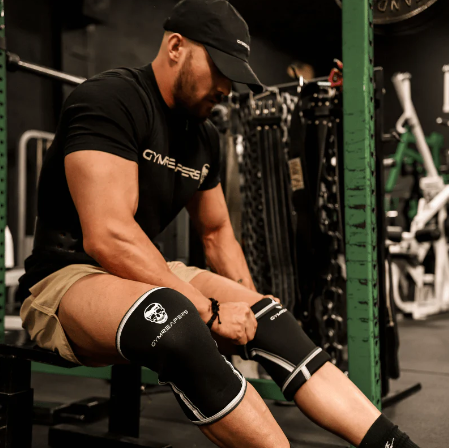
Before fixing the problem, you need to understand what destroys sleeves in the first place:
1. Sweat and salt weaken neoprene
Neoprene absorbs sweat. Sweat contains salt.
Salt breaks down materials and stitching over time.
If you never wash your sleeves—or wash them incorrectly—they break down fast.
2. High-friction movements wear stitching
Movements like lunges, burpees, or dragging knees during setup grind the sleeve against the floor or fabric.
This can cause surface pilling and eventual tears.
3. Over-stretching from incorrect sizing
If your sleeves are too small, you’re stretching the seams every single session.
If they’re too big, you’ll yank them up constantly—same problem.
4. Heat and humidity break down compression
Leaving sleeves in a gym bag leads to mildew, bacteria, and material breakdown.
5. Improper washing destroys the fabric
Hot water, harsh detergents, and dryers ruin neoprene faster than training ever will.
How to Make Your Knee Sleeves Last Longer
Below are the best practices coaches teach every athlete who invests in solid lifting gear.
1. Wash Them the Right Way (This Matters More Than Anything)
Your sleeves don’t need daily washing, but they must be cleaned regularly and properly.
How to wash knee sleeves correctly
- Use cold water only
- Hand wash or machine wash on gentle cycle
- Use mild detergent (no bleach, no fragrance boosters, no fabric softeners)
- Air dry only—never put them in the dryer
Why you should never use a dryer
Dryer heat permanently weakens:
- Neoprene elasticity
- Internal foam structure
- External stitching
A dryer will shrink, warp, or crack the sleeve material almost immediately.
How often to wash knee sleeves
- Heavy sweaters / 4–6 training sessions per week: every 1–2 uses
- Moderate use: every 3–4 uses
- Light-duty training: every week
If your sleeves smell even when dry, you waited too long.
2. Let Them Fully Dry After Every Session
This alone extends lifespan dramatically.
After training:
- Turn the sleeves inside out
- Lay them flat or hang them in a ventilated space
- Let them dry completely before packing them away
Never leave them:
- In your gym bag
- In your car
- In a closed locker
Trapped moisture = odor, bacteria, stitching breakdown, and mildew.
3. Choose the Right Size From the Start
A sleeve that’s too tight will tear.
A sleeve that’s too loose will stretch out and lose compression quickly.
How to know you have the right size
- You can slide them on with effort, but not a battle
- They sit firmly without rolling
- No gaps behind the knee when standing
- You don’t feel circulation loss or numbness
If you needed baby powder to get them on, they’re too tight.
If they shift when you sweat, they’re too loose.
Sizing varies brand-to-brand, so always check each manufacturer’s chart.
4. Avoid Wearing Knee Sleeves for Non-Lifting Movements
Neoprene sleeves are designed for:
- Squats
- Deadlifts
- Leg press
- Strongman movements
- Olympic lifting
They are not designed for:
- Lunges on turf
- Box jumps
- Burpees
- Sled drags
- Conditioning circuits
These movements cause friction burns on the fabric and wear out the stitching at the base.
If you want knee support for cardio or conditioning, use knee wraps, lightweight compression sleeves, or long leggings.
5. Don’t Yank Them Up From the Top Seam
The fastest way to rip a seam is by pulling the sleeve from the very top.
Correct way to put on knee sleeves:
- Fold the sleeve halfway inside itself
- Slide up to mid-shin
- Unfold and pull the bottom first
- Adjust the top gently
This reduces stress on the upper stitching.
6. Rotate Between Two Pairs If You Train Heavy
If you squat multiple times per week, your sleeves never get a chance to fully dry or decompress.
Rotating two pairs:
- Allows neoprene to return to original shape
- Prevents stretching
- Cuts sweat exposure in half
Lifters who compete or squat 3+ times weekly normally own two pairs for this reason.
7. Store Sleeves in a Ventilated Bag, Not a Sealed One
The worst place to keep your sleeves is inside a sealed gym bag pocket.
Instead:
- Use a ventilated mesh bag
- Keep them in open air when possible
- Add gear deodorizer packs to reduce moisture
You want airflow—not just containment.
8. Avoid Excessive Heat, Sun, and Chemicals
Neoprene breaks down quickly when exposed to:
- Direct sunlight
- Hot car interiors
- Chemical cleaners
- Bleach
- High-heat washers/dryers
To keep the material strong and snappy:
- Store indoors
- Avoid harsh cleaning products
- Always wash cold
- Always air dry
9. Inspect Seams Regularly
Most sleeves fail at the seams long before the neoprene itself dies.
Check:
- Top and bottom hems
- Back-of-knee stitching
- Any signs of unraveling
If a thread is loose, trim it—don’t pull it.
Pulling can unravel the entire seam.
10. Use Them Only for Working Sets, Not Warm-Ups
Warm-ups don’t need sleeves.
Every minute you wear your sleeves outside of heavy sets means more sweat, more stretch, and faster breakdown.
Best practice:
- Warm up bare-knee
- Add sleeves once you hit your working weights
This small habit keeps compression tight for far longer.
How Long Knee Sleeves Should Last
With proper care:
- 1–2 years for heavy lifters
- 2–4 years for moderate lifters
- 4+ years for recreational use
Cheap sleeves degrade faster, but good brands can withstand years of squatting, pressing, and pulling if you take care of them.
Final Tips for Maximizing Durability
- Wash cold, air dry only
- Keep sleeves out of your bag after training
- Avoid high-friction movements
- Treat the seams gently
- Size correctly from the start
- Rotate two pairs for high-volume training
Solid sleeves are an investment—not just in comfort, but in training longevity and knee health. Take care of them, and they’ll take care of you.
If you found this post to be helpful, then you may be interested in the rest of our blog page here.
Discover more from GearAffiliate
Subscribe to get the latest posts sent to your email.
Saved as a favorite, I really like your blog!