Written by our supplement testing crew
Built for lifters and athletes who train hard and think long-term—this guide is written by coaches who prioritize performance, recovery, and consistency over trends and marketing fluff.
Top 5 Daily Supplements for Athletes That Are Highly Underrated
Most athletes don’t need a shelf full of flashy, stimulant-heavy supplements. What they actually need is a solid daily foundation—supplements that work quietly in the background to support training output, recovery, joint health, hormone balance, and long-term durability.
These aren’t “feel-it-in-10-minutes” products. They’re underrated precisely because they don’t come with an immediate buzz. Instead, they’re the supplements that:
- Keep you training consistently week after week
- Lower injury risk by supporting joints, bones, and connective tissue
- Improve recovery and sleep quality, not just soreness
- Raise your long-term performance ceiling, not just today’s pump
They don’t sell hype—but they compound results over time.
Below are the top 5 daily supplements that are commonly overlooked, yet deliver some of the biggest returns for serious athletes when used consistently. This list is based on real-world training demands, strong scientific backing, and usefulness that actually holds up over years of hard training—not trends.
What This List Does NOT Include (On Purpose)
You’ll notice what’s missing:
- Pre-workouts
- BCAAs
Like all of the supplements that we recommend on this page, these are great options that can definitely help certain athletes, however we feel as if these products are often overhyped, and that it doesn’t hurt to talk about some other products for a while.
The Top 5 at a Glance
- Creatine Monohydrate
- Omega-3 Fish Oil
- Vitamin D3
- Protein Powder
- Magnesium
Each one fills a different role. Together, they create a complete daily support system for athletes.
1. Creatine Monohydrate
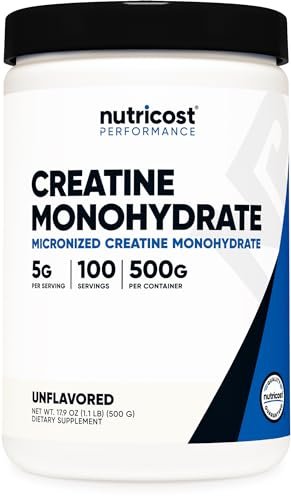
- Simple Formula
- High Mixability (Water, gatorade, whatever)
- Cost Effective
- Highly Reliable and trusted brand
- Not flavored
- Only creatine (No added BCAA's)
Nutricost Creatine Monohydrate remains the most reliable performance supplement ever studied—and Nutricost delivers it in one of the cleanest, most affordable forms on Amazon.
Strength, Power, and Muscle Support—Every Single Day
Creatine monohydrate is one of the most extensively researched supplements in sports nutrition—and it consistently delivers real-world results. It works by increasing the availability of phosphocreatine in muscle cells, which directly fuels ATP production during short, high-intensity efforts.
Why It’s #1
Creatine directly improves training quality. More output per session means better long-term gains—making it the most impactful daily supplement for most athletes.
We know that calling Creatine underrated may be a stretch, but seriously, we can’t not put it at #1.
Despite outdated myths, creatine isn’t just for bodybuilders. It has proven benefits for:
- Strength and power athletes
- Wrestlers and combat sport athletes
- Sprinters and field sport athletes
- Endurance athletes during repeated high-intensity bursts
What Creatine Does
- Increases ATP availability for explosive movements
- Improves maximal strength and power output
- Supports lean muscle mass and strength retention
- Allows higher training volume and intensity over time
See our post Understanding Creatine Monohydrate: Health Facts, Myths, and Nutrition Insights if you would like to learn more about Creatine and its effects on the body.
Emerging research also suggests benefits beyond muscle, including:
- Improved cognitive performance under fatigue
- Neuroprotective effects
- Faster recovery between repeated bouts of effort
Daily Dose
3–5 grams per day, taken consistently. No loading phase required (Just a marketing tactic to sell more product).
2. Magnesium
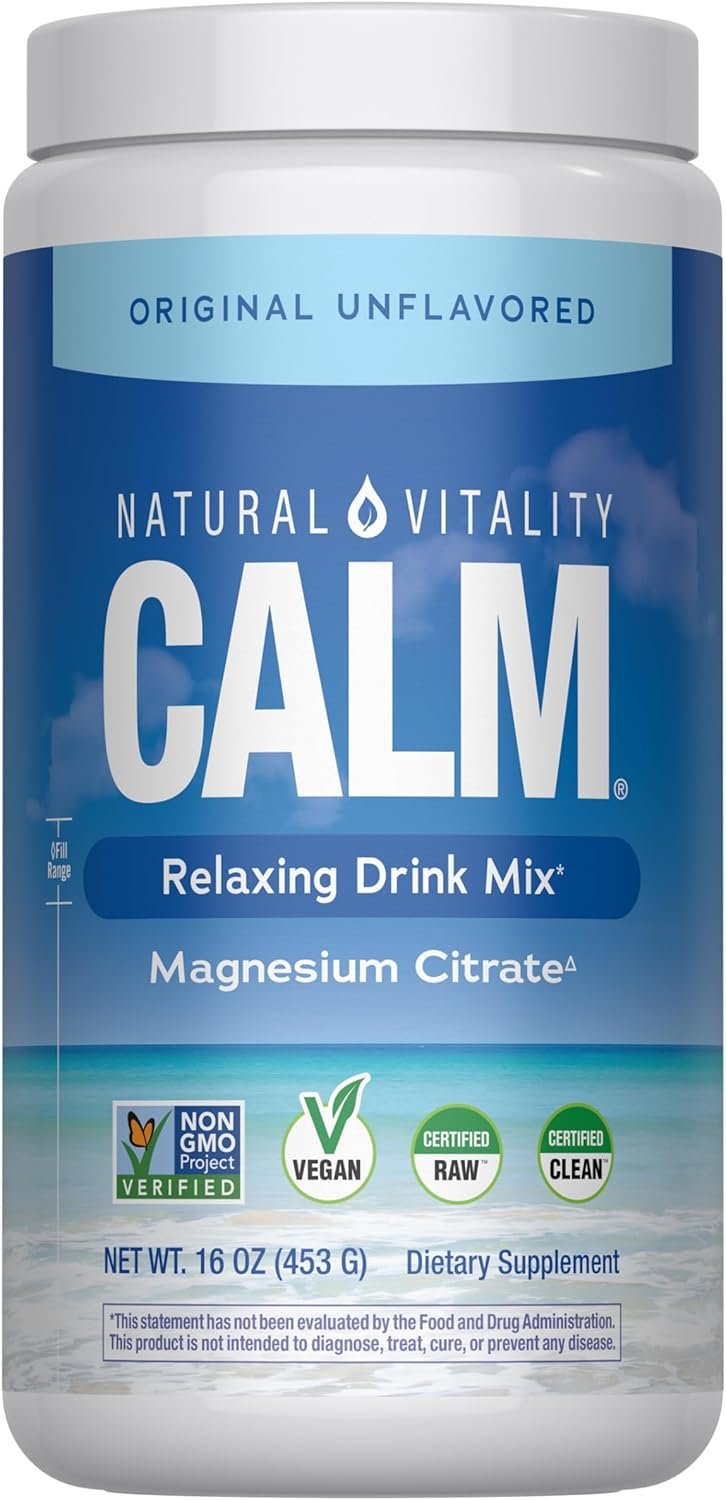
- Highly effective for relaxation
- Good Dosage Per Serving
- Product duration (113 Servings)
- Unflavored (May need to look elsewhere for a flavored option)
- Slightly Pricy
Natural Vitality Calm, Magnesium Supplement, Anti-Stress Drink Mix Powder, Gluten Free, Vegan, & Non-GMO, Original Unflavored, 16 oz
Recovery, Sleep, and Nervous System Support
Magnesium is involved in hundreds of enzymatic reactions in the body, many of which directly affect muscle function, recovery, and nervous system regulation. Athletes lose magnesium through sweat and often fail to replace it through diet alone.
Why Its #3
Magnesium doesn’t provide a “kick”—it provides relaxation. Over time, it improves recovery quality which also benefits your training as well.
Key Benefits
- Supports muscle relaxation and reduces cramping
- Improves sleep quality and parasympathetic recovery
- Helps regulate stress and cortisol
- Plays a role in ATP and energy metabolism
Athletes supplementing magnesium often report:
- Deeper, more restorative sleep
- Fewer nighttime cramps or muscle tightness
- Improved recovery between sessions
Best Forms for Athletes
- Magnesium glycinate for sleep and recovery
- Magnesium malate for energy and muscle support
Typical Dosage
200–400 mg daily, ideally in the evening.
3. Protein Powder
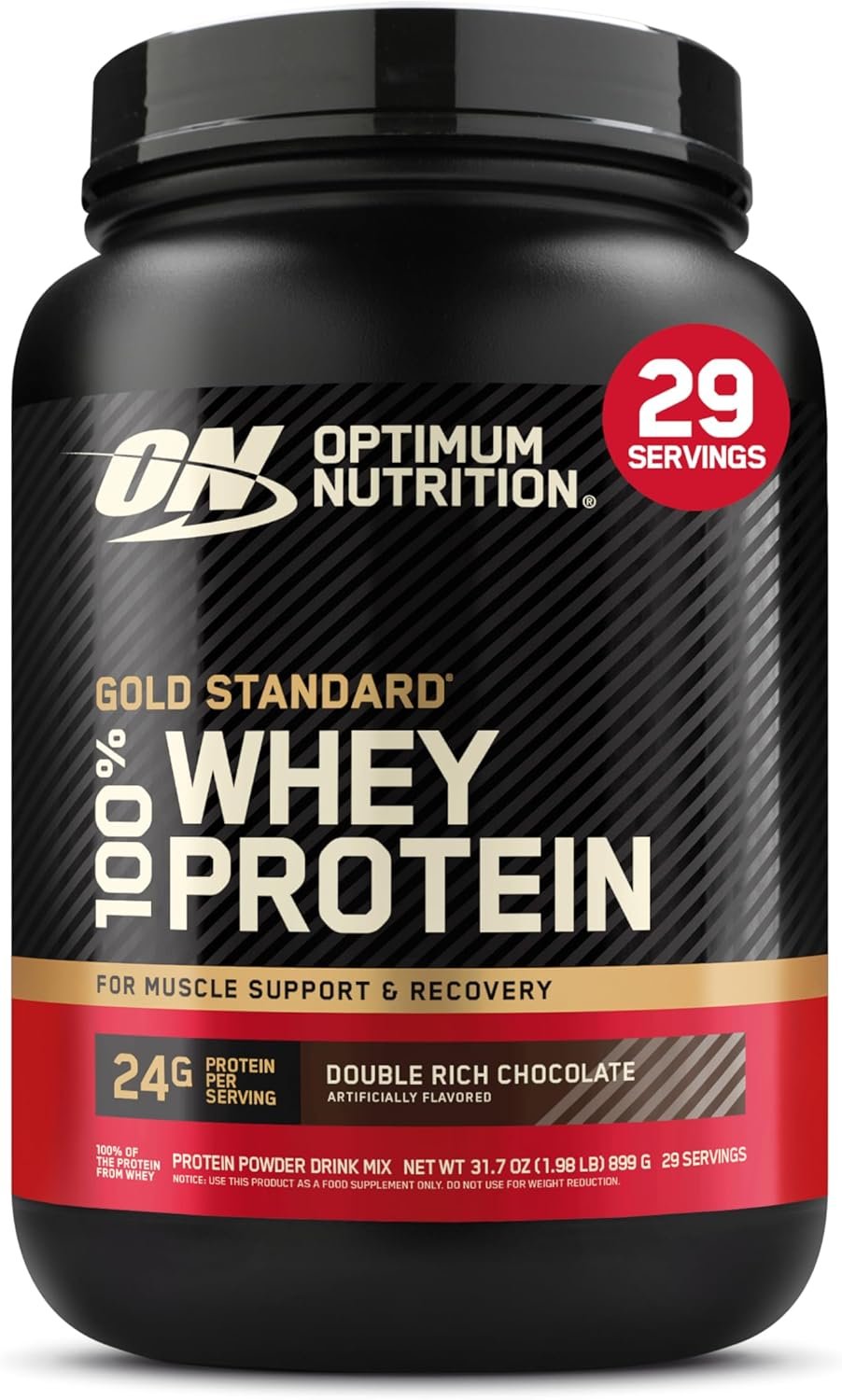
- High quality protein
- Consistent amino acid profile
- Good mixability
- Not the cheapest
Optimum Nutrition Gold Standard 100% Whey. A whey protein powder that packs an excellent amount of high-quality protein per scoop and should be utilized for muscular hypertrophy.
Meeting Daily Protein Targets Without Overthinking
Protein powder isn’t a replacement for whole food—it’s a tool for consistency. Most athletes don’t struggle with knowing they need protein; they struggle with hitting adequate intake every single day.
Why It’s #4
Ok, so Protein Powder isn’t exactly underrated, but for some reason, we still see athletes failing to hit they protein quota ALL THE TIME! For some reason, it hasn’t clicked that if protein intake is inconsistent, recovery and progress suffer. Protein powder closes that gap reliably, and should 100% be used more in our opinion.
Why Athletes Use Protein Powder
- Convenient post-workout nutrition
- Simple way to increase daily protein intake
- Supports muscle repair and hypertrophy
- Helps preserve lean mass during intense or caloric-deficit phases
Recommended Intake
Most athletes benefit from:
- 0.7–1.2 grams of protein per pound of bodyweight per day
Protein powder makes that target realistic during busy training, school, or work schedules.
Best Use Cases
- Immediately post-workout
- Between meals
- When whole food isn’t practical
If you want to learn why we recommend this product, watch this video by Renaissance Periodization on the benefits of whey protein isolate.
4. Vitamin D3
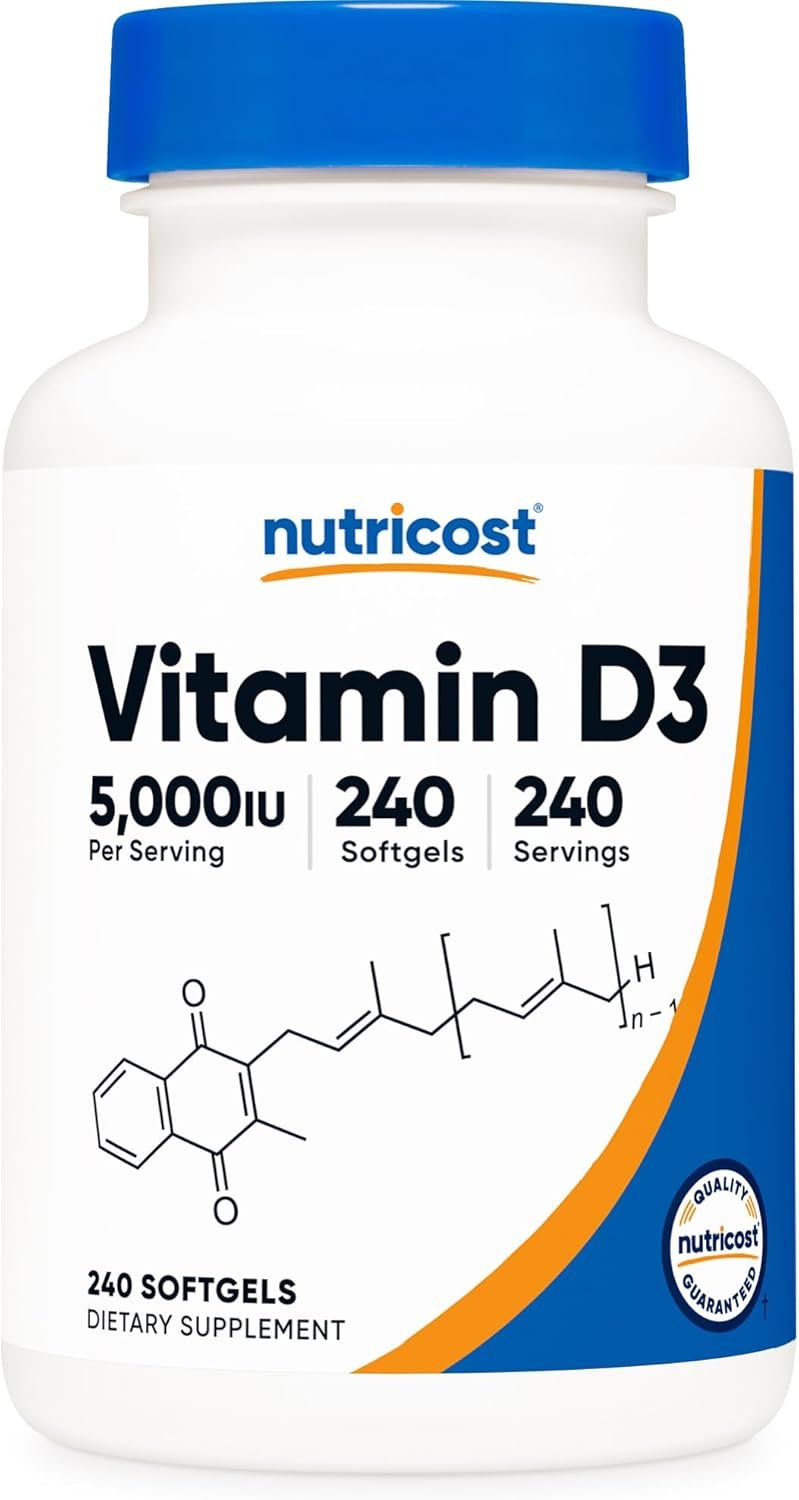
- High-Potency
- Long Supply (240 Servings)
- Clean Label, No Unnecessary Extras
- Higher Dose for Beginners
- No Added Vitamin K2
Quick Overview
Supplement Type: Vitamin D3 (Cholecalciferol)
Dosage: 5,000 IU (125 mcg) per softgel
Serving Size: 1 softgel daily
Supply: 240 servings
Dietary Notes: Non-GMO, Gluten Free
Format: Softgel
The Most Overlooked Daily Supplement for Athletes
Vitamin D3 functions more like a hormone than a traditional vitamin, influencing multiple systems critical to athletic performance. Yet deficiency is extremely common—especially among athletes who train indoors or live in northern climates.
Why Vitamin D3 Matters
Why It’s #4
Vitamin D deficiencies quietly undermine performance and recovery. So often we see athletes who don’t take D3, and just can’t seem to catch a break from colds and sickness. So, if you get sick often, consider supplementing with D3 and note any changes you see.
Vitamin D supports:
- Bone density and skeletal strength
- Muscle contraction and force production
- Immune system resilience
- Hormone regulation, including testosterone support
- Joint and connective tissue integrity
Low vitamin D levels are often associated with:
- Increased injury risk
- Slower recovery
- Persistent fatigue
- Higher illness frequency
Recommended Daily Intake for Athletes
2,000–5,000 IU daily, depending on sun exposure, bodyweight, and baseline levels.
Higher-dose options are particularly useful for athletes who suspect deficiency or struggle to get consistent sun exposure.
5. Omega-3 Fish Oil
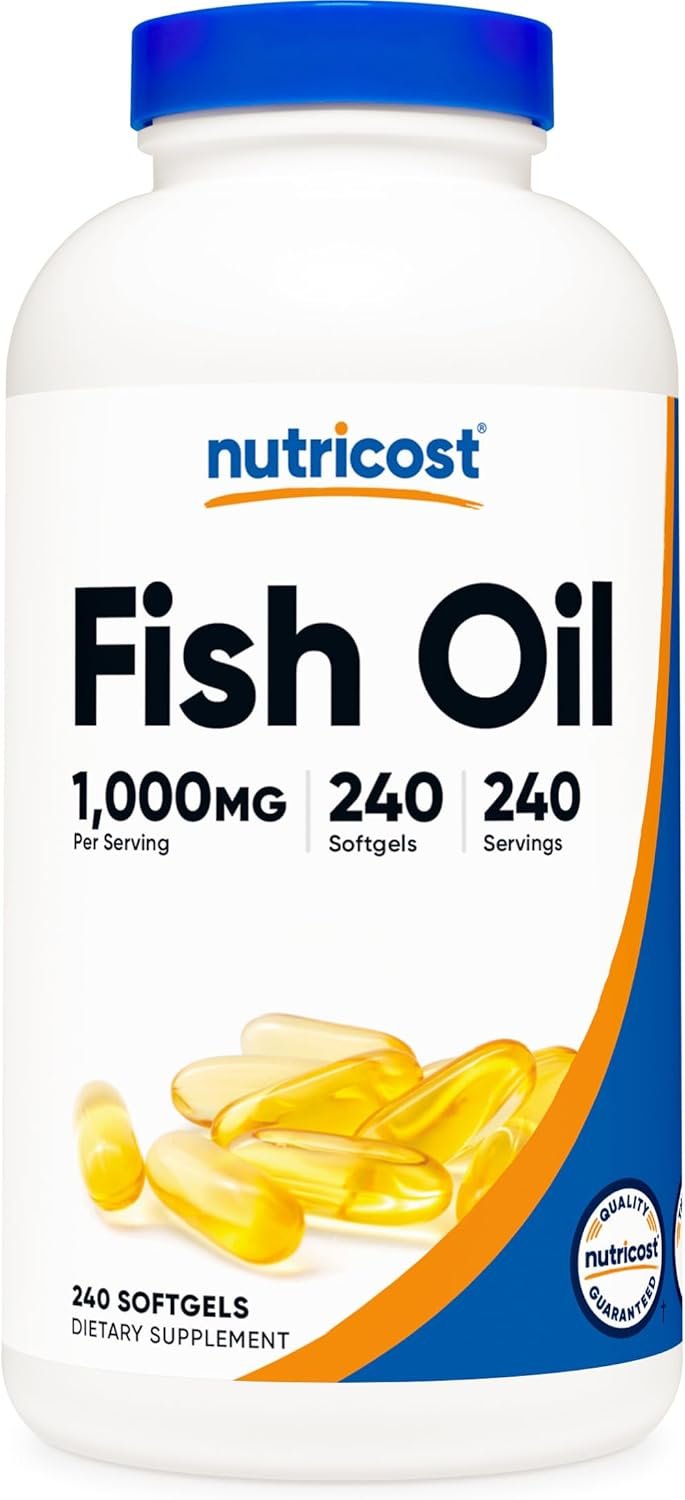
- Non-GMO, made in a GMP-compliant facility
- Good Dosage per Softgel
- Great Price!
- Lower overall dosage per serving (Still pretty high per capsule though)
Nutricost Fish Oil Omega 3 Softgels with EPA & DHA (1000mg of Fish Oil, 560mg of Omega-3), 240 Softgels, Non-GMO, Gluten Free.
Joint Health, Inflammation Control, and Recovery Support
Hard training creates inflammation—it’s part of the adaptation process. The problem arises when inflammation becomes chronic and unmanaged. Omega-3 fatty acids help regulate this balance, supporting recovery without blunting adaptation.
For athletes, omega-3s provide benefits that compound over time.
Why It rounds out our picks
You can’t sustain high-level training if your joints and connective tissue break down. Omega-3s are an investment in longevity.
We see all the time that trainees have more of a problem with lingering joint and muscle inflammation than they do with getting in their caffeine or their Kcal, which is why this product taking a on our recommendations list rather than a pre-workout.
Benefits for Athletes
- Supports joint and connective tissue health
- Helps manage exercise-induced inflammation
- Supports cardiovascular and brain health
- May reduce muscle soreness and improve recovery quality
This is especially valuable for:
- Wrestlers and contact sport athletes
- Heavy lifters placing repeated stress on joints
- Athletes with high weekly training volumes
What to Look For
- Clearly listed EPA and DHA content
- Third-party testing for purity and oxidation
- Taken consistently with meals for absorption
Typical Dose
1–3 grams of combined EPA/DHA daily.
How These 5 Supplements Work Together
Think of this stack as infrastructure, not stimulation:
- Creatine → Strength, power, training output
- Magnesium → Sleep, recovery, nervous system balance
- Protein → Muscle repair and growth
- Vitamin D3 → Hormones, bones, immunity
- Omega-3s → Joints, inflammation control, longevity
None rely on hype. All reward consistency.
Final Verdict
If you’re an athlete trying to train hard, recover well, and stay healthy long-term, these are the five daily supplements that actually matter.
You don’t need everything.
You need the right things—used consistently.
Bottom Line:
The best daily supplements for athletes are boring—but effective. Creatine, omega-3s, vitamin D3, protein, and magnesium form a stack that supports performance now and durability for years to come.
Discover more from GearAffiliate
Subscribe to get the latest posts sent to your email.