Written by our gear testing crew
Built for lifters, athletes, and anyone serious about their training—this guide is written by real coaches who prioritize performance over hype.
What to Look for in Weight Lifting Straps
(Before You Buy the Wrong Pair)
When your grip starts giving out before your back or hamstrings do, lifting straps can be a game-changer. But not all straps are built the same—and if you’re buying the first pair you see on Amazon without knowing what to look for, you could be setting yourself up for frustration (or in some cases injury).
This isn’t just a list of product links. We’re breaking down what actually matters when choosing the right lifting straps—whether you’re deadlifting 135 or chasing PRs above 500 pounds.
What Lifting Straps Actually Do
Lifting straps give your hands extra help holding onto the barbell, dumbbell, or cable attachment. That means your grip fatigue won’t cut your sets short—especially during heavy pulls like deadlifts, RDLs, shrugs, or rows.
They don’t magically make you stronger. But they let your larger muscle groups go to work without being limited by your fingers or forearms.
Used right, they’re a tool—not a crutch. And like any good tool, it pays to get the one that matches your needs.
Want to see our top picks? We’ve tested the most popular straps on Amazon and ranked them by grip security, durability, comfort, and price. [Check out our full comparison here.]
Key Factors to Look For in Lifting Straps
1. Material Type: Comfort, Durability, and Grip
Cotton Straps
Cotton is soft, flexible, and breaks in quickly. If you’re new to straps, these are a good place to start. They’re inexpensive, and they won’t bite into your wrists while you learn how to use them properly.
Most cotton straps feel comfortable right away—no break-in period, no wrist burn. They’re breathable too, which is great if you’re lifting in a hot gym or training for high-rep sets.
The downside? Cotton wears out quicker. With heavy use—especially if you’re pulling over 300 lbs regularly—they can start to fray or stretch out. For casual lifters or those doing accessory work, they’re solid. For heavy-duty use, you’ll probably want something stronger.
—
Nylon Straps
Nylon is tougher than cotton. These straps are more durable and stiffer, giving you a stronger connection to the bar. They’re ideal if you’re going heavier or lifting with equipment that’s hard on gear, like a power bar with sharp knurling.
Because they’re stiffer, they take more time to break in. They can feel a little rough on the wrists at first. But once they’re worn in, nylon straps offer a tighter lock on the bar and tend to last longer than cotton.
—
Leather Straps
Leather is the old-school option—durable, supportive, and dependable. Leather straps mold to your wrists over time and tend to grip well, especially once they’ve seen a few sessions.
They’re less common now than cotton or nylon, mostly because they’re more expensive and need a longer break-in period. But if you want a strap that feels like it’ll last a decade, leather can be a solid choice.
2. Strap Style: Lasso, Figure 8, or Olympic
Lasso Straps
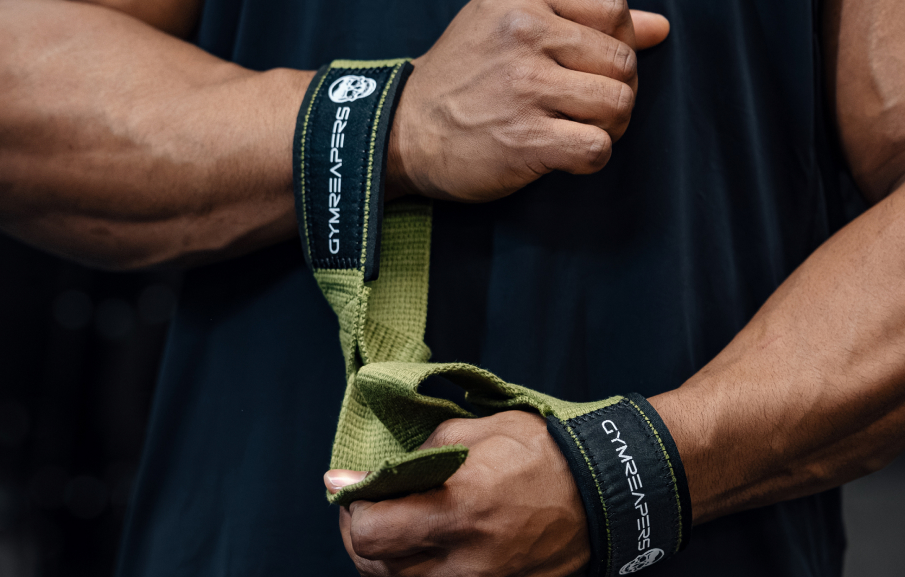
This is the most common type of lifting strap. One end has a loop; you thread the long end through it to create a secure wrist strap, then wrap the long tail around the bar.
Lasso straps are adjustable, which makes them versatile. Whether you’re training on a barbell, dumbbell, or machine handle, you can tighten or loosen them depending on the movement.
They’re ideal for most lifters—easy to learn, flexible to use, and widely available. Just make sure you get a pair with decent padding or stitching so they don’t dig in during heavy pulls.
—
Figure 8 Straps
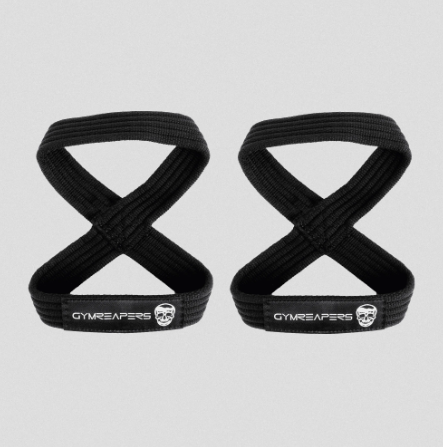
Figure 8 straps lock your wrist to the bar with almost no room for slippage. They’re often used in Strongman training or heavy deadlifts, where grip failure is the #1 limiting factor.
If you’re a powerlifter or training purely for maximal strength, these offer the most secure connection. But they’re overkill for most accessory work and aren’t ideal if you need to ditch the bar quickly (like during Olympic lifts or failure sets).
—
Olympic/Speed Straps
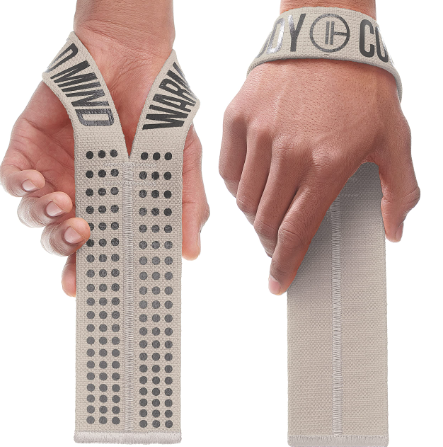
These are shorter and thinner than regular straps, designed to release quickly. Olympic lifters often use these because they want the grip support during pulls—but also need to be able to bail safely from a snatch or clean if things go south.
If you’re not Olympic lifting, you probably don’t need this style. But they do offer a faster wrap and a more dynamic feel.
3. Length and Width: Control vs Flexibility
Longer straps give you more wraps around the bar, which means a more secure grip. But they can take more time to set up and may feel bulky if you’re doing faster-paced sets.
Shorter straps are quicker to throw on and easier to use with machines or dumbbells—but they might not give you the same level of security on heavy barbell lifts.
Width matters too. Thicker straps spread pressure more evenly, which can feel better on your wrists. Thinner ones may dig in more but can offer better bar contact.
4. Padding and Stitching: Small Details That Matter
You’ll see some straps with added neoprene padding around the wrist loop. This isn’t mandatory, but it can make a big difference if you’re lifting heavy or have sensitive skin.
More importantly, check the stitching. Weak seams are a common failure point. If the thread looks loose or inconsistent, it won’t last. Look for double-stitched or reinforced ends—that’s a signal of real durability.
5. Intended Use: Match the Strap to Your Training
- Beginners / General Gym Use: Cotton or padded lasso straps. Soft, easy to use, and affordable.
- Powerlifting / Strongman: Figure 8 or heavy-duty nylon straps. Go for strength and security.
- Olympic Lifting / Dynamic Pulls: Speed straps or thinner lasso straps. Prioritize release and feel.
- Bodybuilding / Hypertrophy Work: Anything that lets you push more volume without worrying about grip.
If you’d like to learn a little more about how to use lifting straps safely, check out this post from WikiHow that we found to be helpful with beginners.
Should You Use Lifting Straps All the Time?
No—and that’s not just us gatekeeping grip strength.
Straps are a tool. They should support your training, not replace basic strength. Use them when grip is the limiting factor—not to avoid building forearm and hand endurance altogether.
We recommend warming up without straps, then using them for your heaviest sets or high-rep work where grip becomes a bottleneck. That way you get the best of both worlds.
Bottom Line: Buy Straps That Match Your Lifting Goals
The best lifting strap for you isn’t the most expensive one—it’s the one that fits your training style, your comfort needs, and your long-term goals in the gym.
If you’re just getting started, a pair of padded cotton lasso straps can serve you well. If you’re grinding through heavy barbell pulls week after week, it might be worth stepping up to figure 8s or reinforced nylon.
Whatever you choose, treat your gear like part of your training. It should help you lift better, not just easier.
If you found this post to be helpful, then you may be interested in the rest of our blog page here.
Discover more from GearAffiliate
Subscribe to get the latest posts sent to your email.
1 thought on “What to Look for in Weight Lifting Straps (Before You Buy the Wrong Pair)”
Comments are closed.