

Guide to Training Hamstrings in the Gym
Table of Contents
Understanding the Hamstrings
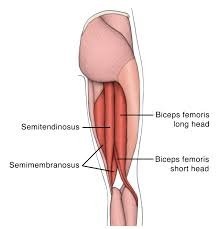
The hamstrings are a crucial group of muscles located at the back of the thigh, playing an essential role in various movements, including running, jumping, and climbing. This muscle group comprises three primary muscles: the semitendinosus, semimembranosus, and biceps femoris.
Each of these muscles contributes to the overall functionality of the hamstrings, facilitating knee flexion and hip extension, which are vital for proper leg mechanics.
The semitendinosus is situated in the middle of the hamstring group, extending from the ischial tuberosity of the pelvis down to the tibia. This muscle aids significantly in flexing the knee and extending the hip, contributing to leg strength and stability. Adjacent to it is the semimembranosus, which lies underneath the semitendinosus and has a similar origin and function. Together, these muscles not only aid in movement but also play a pivotal role in maintaining posture and balance.
The biceps femoris, the third muscle in the hamstring group, consists of two parts: the long head and the short head. The long head originates from the pelvis, while the short head comes from the femur. Both parts converge at the lower leg, assisting in knee flexion and offering additional support during physical activities. Strong hamstrings are vital for enhancing overall leg strength and stability, effectively reducing the risk of injuries, particularly strains that can occur during intense workouts or athletic events.
Incorporating exercises that target the hamstrings into a fitness routine can significantly improve leg power and performance while promoting balance and stability in everyday activities. Understanding the anatomy and functions of the hamstrings is the first step in optimizing their strength and ensuring overall athletic performance.
Why Train Hamstrings?
The hamstrings, a group of muscles located at the back of the thigh, play a critical role in numerous physical activities, making their training essential for both athletes and casual gym-goers. Strengthening the hamstrings can lead to improved athletic performance, as these muscles are responsible for actions such as running, jumping, and kicking. When the hamstrings are strong, athletes may experience enhanced speed and power during these activities, which can provide a competitive edge in sports like soccer, track, and field. Furthermore, well-conditioned hamstrings contribute significantly to overall lower body strength, which is essential for performance in various fitness disciplines.
Moreover, training the hamstrings is crucial for promoting better posture and reducing the risk of injuries. Strong hamstrings help to stabilize the pelvis and lower back, offering support to the entire kinetic chain. This stabilization can help prevent common injuries such as hamstring strains, lower back pain, and knee issues, all of which can result from weak or imbalanced muscle groups. When the hamstrings are neglected in favor of other muscle groups, it can lead to an imbalance, increasing the likelihood of injury during physical activity.
Aesthetically, well-developed hamstrings contribute to balanced leg musculature. Many individuals seek to achieve a toned and symmetrical appearance, and training these muscles can significantly enhance the shape and definition of the legs. This is particularly relevant for those interested in bodybuilding or fitness modeling, where leg development plays a pivotal role in the overall physique.
In light of these benefits, it is evident that incorporating hamstring training into a fitness regimen is not just advisable but necessary for those seeking improved athleticism, injury prevention, and enhanced physical appearance.
Common Mistakes to Avoid
When embarking on a journey to train the hamstrings, beginners often fall victim to several common mistakes that can hinder their progress and lead to injury. One of the most frequent errors is improper form during exercises targeting the hamstrings. Engaging in movements such as deadlifts or leg curls without maintaining proper alignment can result in unnecessary strain on the lower back or knees. It is crucial to learn and practice the correct form before attempting to increase weight or intensity.
Another prevalent mistake is the disproportionate focus on quadriceps training at the expense of hamstring workouts. Many individuals gravitate towards exercises like squats and lunges, inadvertently neglecting the hamstrings. This imbalance can lead to muscular imbalances and injuries, as well as impaired performance in athletic activities. To achieve a well-rounded lower body workout, it is essential to incorporate targeted hamstring exercises, such as Romanian deadlifts, glute bridges, and hamstring curls.
Additionally, beginners often underestimate the importance of recovery and may fall into the trap of overtraining. Overloading the muscles without allowing adequate rest can lead to fatigue and increase the risk of injury. It is vital to listen to the body and give hamstrings sufficient time to recover after training sessions. Implementing lower-intensity workouts, such as stretching or foam rolling, can aid in recovery and prevent overexertion.

To avoid these pitfalls, beginners should prioritize education on exercise techniques, develop a balanced workout regimen that addresses all muscle groups, and schedule regular rest days. By paying attention to these aspects, individuals can train their hamstrings effectively while minimizing the risk of injury and ensuring long-term success in their fitness journey.
Essential Hamstring Exercises
Training the hamstrings is crucial for overall leg strength, stability, and injury prevention. For beginners, several effective exercises can help develop these muscles safely and efficiently. Here, we will explore three foundational exercises: leg curls, deadlifts, and glute bridges.
The leg curl is a fundamental exercise that primarily targets the hamstrings. To perform this exercise, you will need a leg curl machine. Start by adjusting the machine to fit your height. Sit on the machine with your back against the support and place your legs underneath the padded lever. Keeping your upper body still, curl your legs up towards your glutes, focusing on the contraction of the hamstrings. Pause at the top for a moment before slowly lowering the weight back down. Performing this exercise with controlled movements will enhance the effectiveness and reduce the risk of injury.
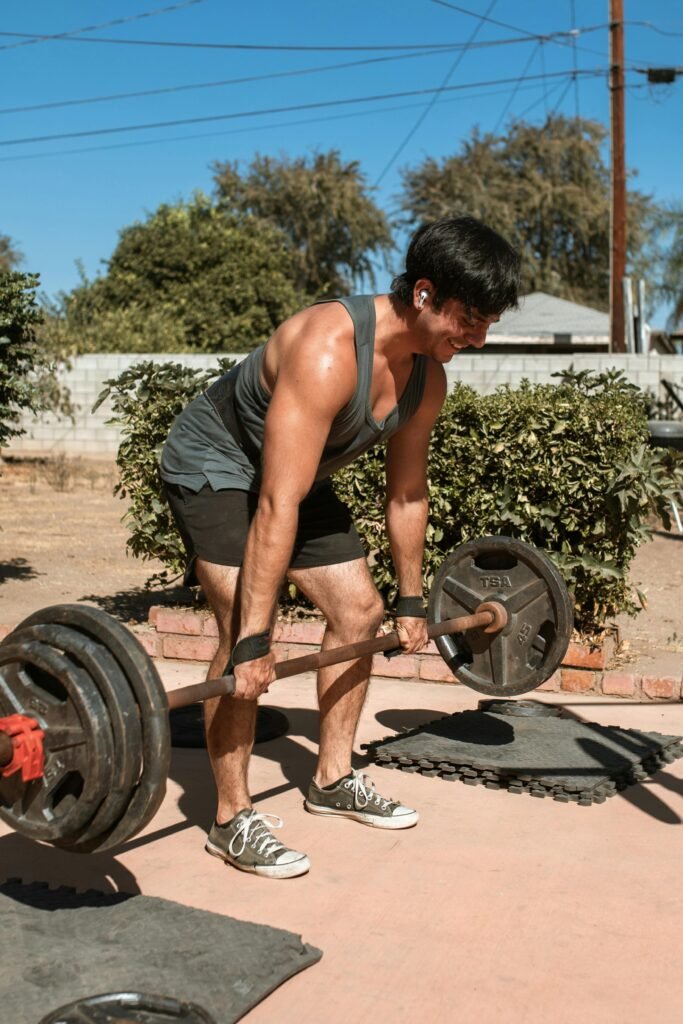
Next, the deadlift is a compound movement that not only works the hamstrings but also engages the lower back and glutes. Begin by standing with your feet hip-width apart, a barbell in front of you. Bend at your hips and knees to grab the barbell with an overhand grip. Keeping your back straight and chest up, push through your heels to lift the barbell while straightening your body. At the top of the movement, squeeze your glutes and pause before lowering the barbell back down to the ground with a controlled motion. Ensure that your back remains neutral throughout the exercise to prevent strain.
Lastly, the glute bridge is a highly effective exercise that targets the hamstrings and glutes. Lie on your back with your knees bent and feet flat on the floor, hip-width apart. Pressing through your heels, lift your hips toward the ceiling until your body forms a straight line from shoulders to knees. Squeeze your glutes at the top, hold for a count of two, and then lower your hips back to the starting position. This exercise can be easily modified by adding weight or incorporating a single-leg variation as you progress in strength.
| Example Exercises | Deadlifts, Leg curls, Glute bridges |
Creating a Hamstring Training Routine
Developing a comprehensive hamstring training routine is vital for achieving strength and muscle growth. When integrating hamstring exercises into your overall workout regimen, consider a balanced approach that incorporates frequency, volume, and progression. A well-rounded routine not only helps in strengthening the hamstrings but also enhances performance in other physical activities.
Frequency is a crucial component of an effective hamstring training routine. It is generally advisable to target the hamstrings at least twice a week, allowing sufficient recovery time between sessions. Incorporating exercises like deadlifts, leg curls, and glute bridges can yield significant results. Spread these exercises across your workout week, aiming for at least 48 hours of rest before engaging the same muscle group again. This approach helps optimize muscle recovery and growth.
Volume refers to the total amount of work performed, commonly measured in sets and repetitions. For beginners, starting with two to three sets of eight to twelve repetitions per exercise is recommended. This range provides an excellent balance between strength development and muscle hypertrophy. As you progress, gradually increasing the sets, reps, or weight lifted can stimulate continued growth and adaptation. Tracking your volume over time allows you to make informed adjustments based on your progress.
*Authors Note*
This is an explanation for beginners, and actual training may look differently. Check out our post below the table on making a weekly split, for a better idea on how to schedule your training
| Leg day 1 | — | — | Leg day 2 |
| DeadLifts (3 x 6-10 reps) Leg Curls (3 x 8-12 reps) Glute Bridges (3 x 10-15 reps) | N/A | N/A | DeadLifts (3 x 6-10 reps) Leg Curls (3 x 8-12 reps) Glute Bridges (3 x 10-15 reps) |
Progression is paramount in any training routine. As your hamstrings grow stronger, it is essential to implement progressive overload. This can be achieved through various methods, such as increasing the weights, decreasing rest intervals, or incorporating more challenging variations of the exercises. Monitoring your performance will help ensure that the routine remains effective, promoting ongoing strength and muscle gains.
Incorporating Stretching and Recovery
Stretching and recovery play a crucial role in maintaining the health of the hamstrings, especially for individuals engaging in regular gym training. The hamstrings, which comprise three muscles located at the back of the thigh, are prone to strains and injuries when subjected to repetitive stress without adequate care. Therefore, integrating flexibility training into your routine is essential for optimal hamstring performance and overall leg function.
Flexibility exercises such as static and dynamic stretches can significantly enhance the length and elasticity of the hamstring muscles. Incorporating stretches like the standing hamstring stretch or the seated forward bend not only improves your range of motion but also helps in reducing the risk of injury during intense workouts. It is advisable to perform these stretches after your training sessions when the muscles are warm, promoting better elongation and relaxation.
In addition to stretching, effective recovery techniques are vital for muscle repair and growth. Foam rolling is one popular method that aids in alleviating muscle tightness and improving circulation. By applying pressure to the hamstring area with a foam roller, you can release fascia and promote blood flow, which is essential for delivering nutrients and oxygen to the muscles. This alleviation of tension can lead to enhanced performance and quicker recovery from workouts.
Furthermore, incorporating designated rest days into your training schedule allows the hamstring muscles to recover fully. Overtraining can lead to fatigue and an increased risk of injury, making rest crucial. A balanced approach that includes both consistent training and adequate recovery will not only support muscular development but also foster a long-term commitment to your fitness goals. Taking the time to stretch and prioritize recovery will contribute significantly to your overall hamstring health in the gym.
Nutrition for Hamstring Strength
Nutrition is a crucial element in optimizing hamstring strength and facilitating recovery from intense training sessions. A balanced diet that includes appropriate levels of carbohydrates, proteins, and fats is essential for supporting muscle growth and repair. The role of protein, in particular, cannot be overstated, as it provides the building blocks necessary for muscle synthesis, including the hamstrings.
For individuals engaged in hamstring training, incorporating protein sources such as lean meats, fish, eggs, dairy products, beans, and legumes is highly beneficial. Aim for protein intake both before and after workouts. A pre-workout meal rich in protein can help sustain energy levels and reduce the risk of muscle damage during training. Examples of effective pre-workout snacks include Greek yogurt with fruit or a protein shake accompanied by a banana.
Carbohydrates also play a vital role in fueling workouts, especially for intensive hamstring training. They store glycogen in muscles, which is necessary for enduring high-performance sessions. Consider including complex carbohydrates, such as whole grains, sweet potatoes, and quinoa, in your meals to ensure sustained energy levels. Consuming carbohydrates after workouts can help replenish glycogen stores and aid in recovery. Good post-workout meal options might comprise a turkey sandwich on whole-grain bread or a smoothie made with fruit and oats.
Furthermore, incorporating healthy fats into your diet can support overall muscle health and hormone regulation. Sources of healthy fats include avocados, nuts, seeds, and olive oil. Overall, proper nutrition tailored to the demands of hamstring training fosters muscle recovery, enhances strength, and ultimately contributes to achieving fitness goals.
Tracking Progress and Setting Goals
Tracking progress in hamstring training is vital for maintaining motivation and achieving long-term fitness goals. To effectively gauge improvements, individuals should consider several key metrics. One of the most straightforward methods is to monitor the weight lifted during various hamstring exercises. Increasing the weight gradually indicates enhanced strength and capability. Keeping a training log that details the amount of weight used, along with the number of repetitions performed, serves as an excellent reference point for future sessions.

In addition to tracking weight, it’s beneficial to record progress in the form of repetitions and sets completed. For example, if a beginner starts with three sets of ten repetitions using a particular weight, the aim can be to gradually increase either the number of repetitions or sets over time. This systematic approach not only helps in measuring strength gains but also allows one to set achievable short-term goals, enhancing the overall training experience.
Furthermore, tracking can extend beyond numerical measurements. Incorporating subjective assessments such as perceived exertion can also provide valuable insights into progress. Noting how a certain weight feels over time can indicate improved strength or endurance even before noticeable changes occur in physical appearance or performance metrics. Celebrating small victories, such as hitting a new personal record or feeling more confident during workouts, contributes positively to one’s motivation.
Setting realistic goals is equally important in the hamstring development journey. By defining specific, measurable, achievable, relevant, and time-bound (SMART) goals, individuals can maintain focus on their training regimen. Whether the objective is improving flexibility, increasing muscle mass, or enhancing athletic performance, consistently evaluating progress will enable one to stay committed and resilient throughout the training process.
Conclusion and Next Steps
In this article, we have explored the essential aspects of training hamstrings effectively in the gym. Understanding the anatomy and function of the hamstring muscles is crucial for developing a targeted training regimen. We discussed the significance of incorporating a variety of exercises such as deadlifts, leg curls, and Romanian deadlifts to ensure comprehensive muscle development. Moreover, we highlighted the importance of proper warm-up and stretching techniques to prevent injuries and enhance performance during hamstring workouts.
As you embark on your hamstring training journey, it is vital to assess your current fitness level and establish realistic goals tailored to your individual needs. Gradually increase the intensity of your workouts, ensuring consistency and proper form to maximize results. Additionally, consider incorporating both unilateral and bilateral exercises into your routine, as this can help address any imbalances and promote balanced strength throughout your legs.
To further enhance your hamstring training knowledge, consider exploring additional resources such as articles, videos, or even personal training sessions that focus on advanced techniques and programming. Implementing periodization in your training can also foster long-term progress and prevent plateaus. Joining fitness communities or forums online can facilitate the sharing of tips and insights, providing motivation and support from others with similar goals.
By taking actionable steps and continuously educating yourself on hamstring training best practices, you can develop stronger, more resilient muscles while improving your overall athletic performance. Remember, patience and dedication are key as you work towards optimal hamstring strength and function. Best of luck on your journey!
If you found this post to be helpful, then you may be interested in the rest of our blog page here.
At Gear Affiliate, we always want to give our readers more resources to research. Below are a few sources that we have found to be helpful relating to this topic.
Video Links: Video 1, Video 2.
Discover more from GearAffiliate
Subscribe to get the latest posts sent to your email.